
What Makes a Time and Attendance System Practical for Hotels With Different Departments?
Published on : August 7, 2026
Overview
- Hotels require time and attendance systems built for complex, multi-department shifts. Basic time clocks fail to manage diverse departmental schedules, leading to payroll errors and staffing gaps.
- Practical platforms like ELID’s TimeCheK centralize tracking, automate reporting, and monitor overtime in real time—giving operations leaders full visibility to streamline workforce management.
A hotel isn’t one workforce—it’s several operating under one roof. Front desk, housekeeping, F&B, maintenance, and security each run on vastly different schedules, shift rules, and daily rhythms.
What makes a time and attendance system practical for hotels with different departments comes down to one core requirement: providing operations leadership with a single, real-time view of a complex workforce that operates under different rules every hour of the day.
For a Hotel Operations Head, poor tracking leads to short-staffed shifts, guest dissatisfaction, payroll disputes, and zero real-time coverage visibility. A practical solution must go beyond basic clock-ins to handle multi-department demands without operational friction.
Why Multi-Department Hotels Need More Than a Basic Time Clock
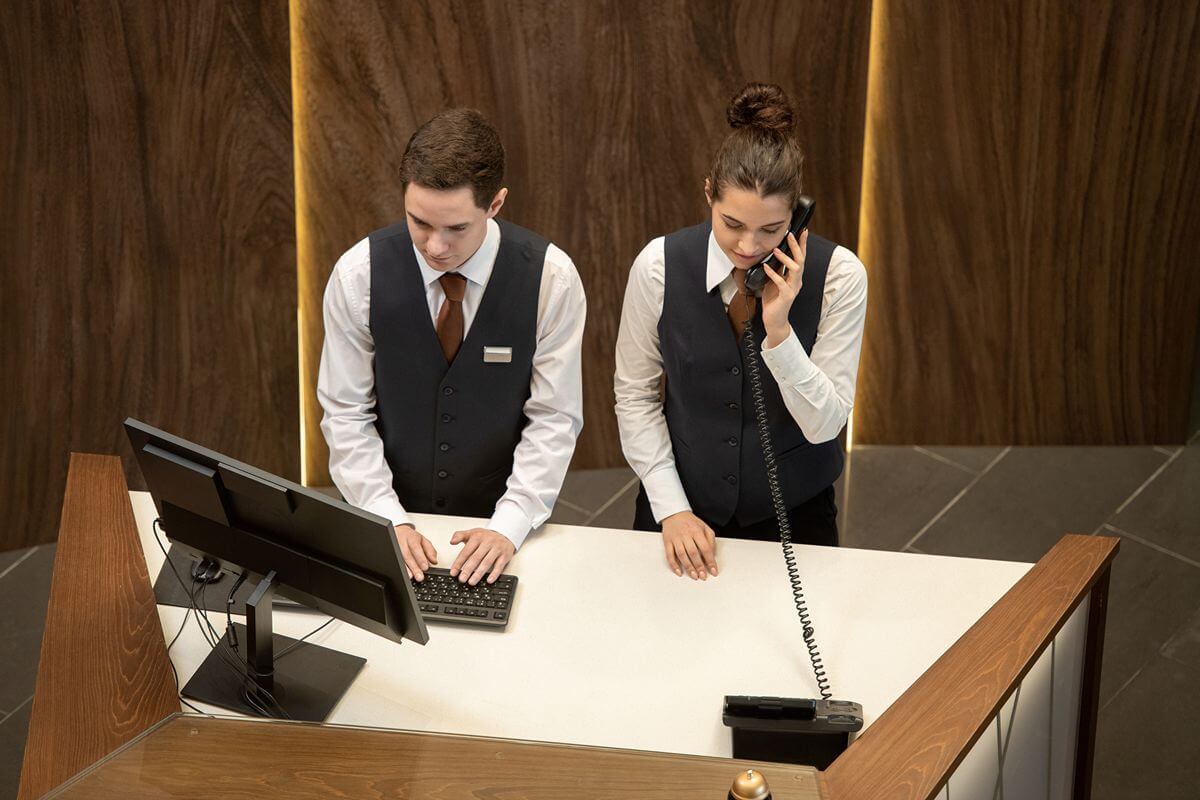
Standard office time clocks fail in a hotel environment. Different hotel departments operate under distinct shift patterns, break structures, and staffing rhythms. A practical platform must harmonize these variables under one interface—without forcing management to manually reconcile separate departmental records.
Basic attendance tools record time, but they lack operational context. A standard time clock cannot notify an Operations Head that housekeeping is running low on mid-morning turnover staff or that front-desk coverage is thin heading into a late-afternoon rush. A practical solution makes these departmental variances visible instantly, eliminating administrative guesswork.
Core Features That Drive Hotel Practicality
A practical attendance system replaces fragmented tracking with automated features built for multi-department workflows.
- Real-Time Attendance Tracking: Captures clock-ins, clock-outs, and active statuses by department instantaneously. Leadership can verify property-wide coverage at any moment rather than discovering staffing shortages in end-of-day reports.
- Automated Multi-Department Reporting: Consolidates working hours, tardiness, and absences into unified reports. Operations and HR teams avoid manually cross-referencing records from housekeeping, F&B, and front-of-house teams during payroll processing.
- Proactive Leave and Overtime Monitoring: Labor costs represent a primary operational expense. Automated tracking monitors approved leave balances and department-specific overtime accruals, allowing management to prevent budget overruns before payroll closes.
- Employee Self-Service (ESS): Grants staff direct access to schedules, personal attendance records, and leave requests. Empowering employees to check their own status significantly reduces routine inquiries sent to HR and department managers.
- Multi-Point and Mobile Verification: Hotel employees clock in across expansive properties. Multi-point terminals and mobile clocking ensure accurate time capture whether staff begin their shifts at the main entrance, laundry facility, or outer maintenance grounds.
Centralized Visibility Across Departments and Shifts
The primary measure of a practical system is complete platform integration. An Operations Head requires a consolidated dashboard displaying real-time attendance across front desk, housekeeping, F&B, maintenance, and security simultaneously.
Centralized visibility transforms static time tracking into active workforce management: reassigning available staff to cover sudden rushes, identifying departments edging toward threshold overtime, and confirming peak-occupancy coverage—all driven by live data.
Streamline Hotel Operations with ELID’s TimeCheK
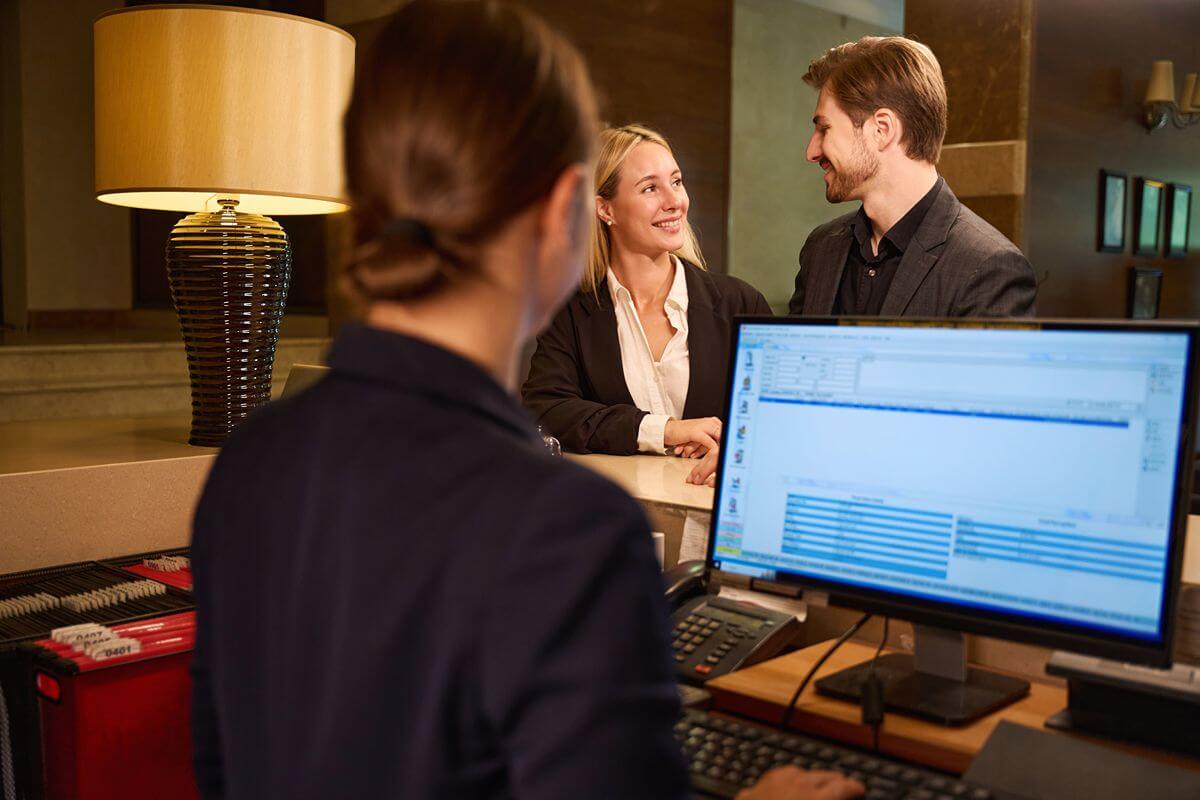
Managing multi-department hotel attendance manually invites inaccurate records, scheduling blind spots, and payroll errors. The ELID TimeCheK Time Management System is built specifically to address these operational complexities. This web-based platform automates attendance tracking using biometric scanners, RFID cards, or mobile verification—converting raw time logs into accurate work hours, tardiness metrics, and overtime calculations.
With configurable shift parameters and centralized data processing, TimeCheK enables hotel operations to manage diverse departmental schedules from a single interface. TimeCheK integrates seamlessly with ELID’s broader suite—including IDenCheK HRIS and PayCheK Payroll System—ensuring verified attendance data flows directly into payroll without manual re-entry.
Key Takeaway
Understanding what makes a time and attendance system practical for hotels with different departments comes down to centralization and adaptability—bringing a multi-shift workforce into one precise operational view rather than managing fragmented departmental logs. ELID’s TimeCheK gives hotel management complete control over their entire workforce through a single, robust platform.
Contact ELID today to discover how TimeCheK can optimize your hotel’s workforce operations.