
RFID vs. Barcode Asset Tracking: Which System Is Better for Philippine Businesses?
Published on : October 10, 2026
Overview
- Barcode asset tracking offers a straightforward way to identify equipment and update records through manual scans.
- RFID asset tracking allows businesses to identify tagged items more quickly, making it useful for facilities that handle large volumes of equipment.
- ELID Technology Intl., Inc. offers asset tracking solutions to help Philippine businesses choose a system suited to their operational needs.
Keeping track of equipment becomes more manageable when businesses can identify assets quickly and maintain accurate records. Barcode systems offer a practical way to record equipment through scans, while RFID technology can speed up asset checks when many items need to be identified. Each approach has advantages, but the better choice depends on how a building operates and how its staff handle equipment.
Before committing to an asset tracking system, facility managers need to understand how these technologies differ and which one fits their requirements. Comparing the advantages of RFID vs. barcode asset tracking helps determine which is better for Philippine businesses based on their facility and daily processes. This guide examines both systems to help businesses make a more informed decision.
Advantages of RFID Asset Tracking
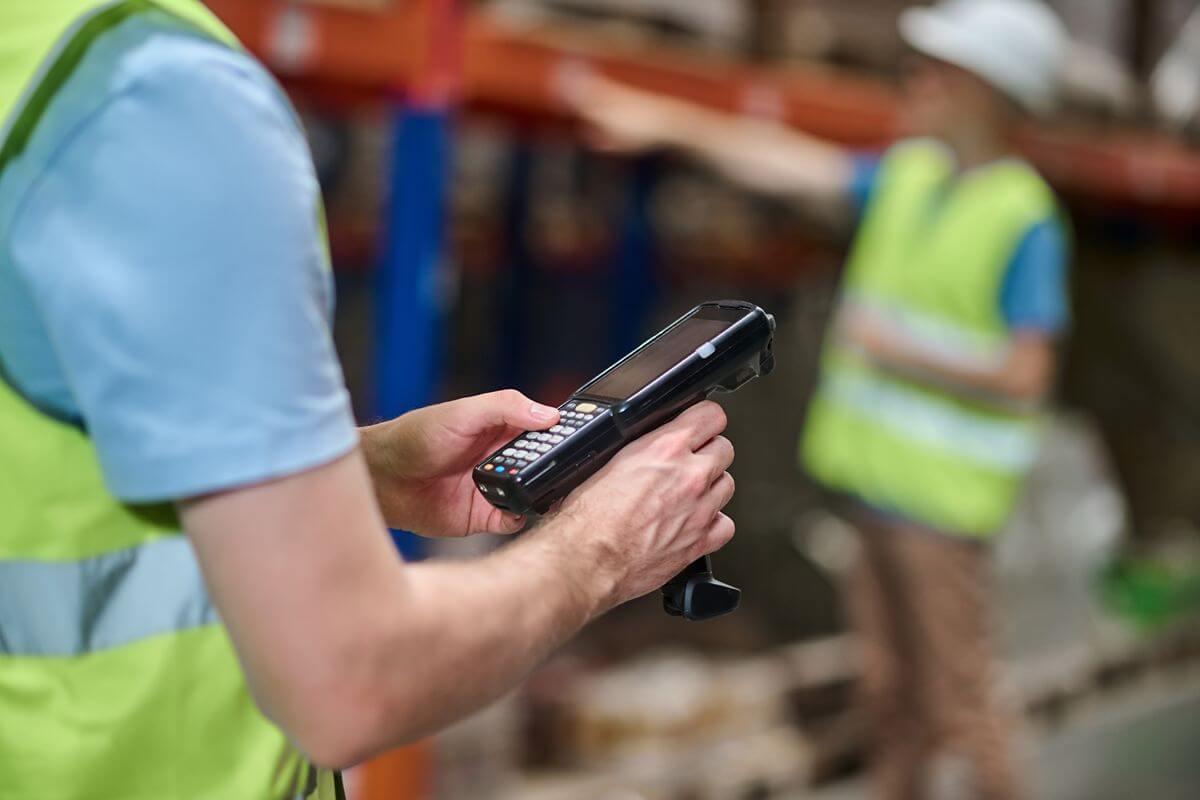
RFID helps staff identify multiple tagged items quickly without scanning each one individually. This makes it useful for facilities that handle frequent inventory checks.
Bulk and Simultaneous Scanning
RFID readers can capture multiple tags in quick succession, reducing the time needed to count large volumes of equipment. Staff can scan tagged items across a warehouse or storage area without handling each asset individually. This makes the technology useful for manufacturing plants that need to check hundreds of tools or components during routine inventory audits.
During a stocktake, employees can use RFID readers to identify tagged assets across designated areas more quickly. For example, a warehouse team can check stored equipment without stopping to scan each item separately. Faster inventory checks allow staff to spend less time counting assets and more time completing more critical operational tasks.
Real-Time Automated Tracking
Fixed readers installed at entrances, loading bays, or other checkpoints can automatically record tagged assets as they pass through monitored areas. These records help businesses track equipment movement without requiring employees to scan each item manually. This is especially useful for facilities where tools, machinery, or inventory frequently move between storage areas and workstations.
Consider a warehouse with an RFID portal at its exit that records tagged equipment leaving the storage area. Staff can review these movements to check where an asset was last detected and investigate any unexpected transfers that might occur. Some systems also include automated logging, helping businesses maintain more consistent records of equipment movement throughout the day.
Durability in Tough Environments
Harsh industrial conditions call for asset tags designed to withstand rough handling. RFID inlays can be fitted into rugged housings, while specialized on-metal tags can identify equipment with metal surfaces. These options give businesses more flexibility when tracking assets in manufacturing plants, outdoor work areas, or demanding storage environments.
In a factory, specialized on-metal tags can be attached to tools or machinery that standard tags may not suit. Rugged designs can also support tracking for equipment used outdoors, where exposure to weather may be a concern. Choosing tags suited to the operating environment helps businesses maintain reliable asset identification over time.
Advantages of Barcode Asset Tracking
With barcode tracking, staff scan individual labels to identify equipment and update records. Its straightforward process suits businesses with simpler tracking needs.
Granular, Single-Item Precision
Individual barcode scans give employees a direct way to verify a specific asset during inventory checks. Since each label must be scanned within the reader’s line of sight, staff can confirm the identity of an item rather than relying on a bulk reading. This approach is useful when locating a particular tool or checking discrepancies in equipment records.
For instance, an IT administrator auditing a batch of company laptops can scan each device’s barcode against the assigned inventory list. The individual checks help reveal which specific laptop is missing from the recorded location. Staff can then investigate that asset without confusing it with other devices.
Universal Compatibility
Barcode systems work with a wide range of scanners and inventory software, making them easier to integrate into existing business operations. Since barcode labels rely on optical scanning rather than radio signals, nearby metal surfaces or liquids are less likely to interfere with the reading process. Businesses can often add barcode tracking to their current workflows without investing in specialized RFID equipment.
Manufacturing plants can use compatible barcode scanners to update equipment records in their existing inventory software. Staff can follow the same process across storage areas and departments to keep asset records consistent. This flexibility makes barcode tracking easier to adopt in facilities with established inventory procedures.
Simplicity and Ease of Development
Barcode systems are relatively easy to introduce because staff can learn to use scanners with minimal training. Businesses can also record scan results in spreadsheets or existing inventory software, keeping equipment records organized without adding complex infrastructure. This makes barcode tracking a practical choice for facilities with straightforward asset management needs.
A hotel can use barcode labels to track housekeeping supplies and maintenance equipment assigned to different floors. Staff scan items during handovers to update their records and confirm where equipment has been transferred. The process helps the operations team keep track of shared resources using tools that are easy to manage.
RFID vs Barcode Asset Tracking: Which is Better?
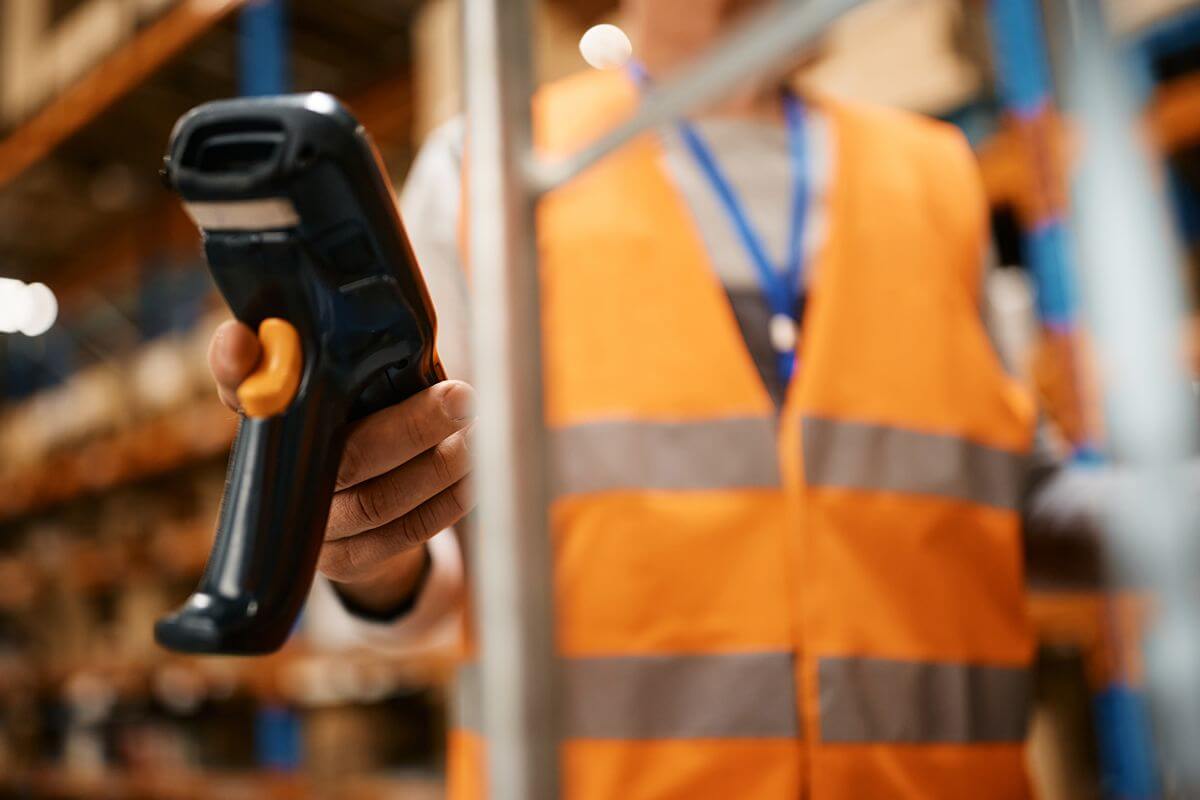
The best asset tracking system depends on your business needs: RFID supports fast checks for large inventories, while barcodes offer a straightforward setup for individual scans.
ELID Technology Intl., Inc. offers both solutions for Philippine businesses. The AseTrak-UCW Handheld RFID Reader supports rapid identification of multiple tagged items, with wireless operation and a nominal read range of up to 30 feet. For barcode-based tracking, the EL5030 supports a fully centralized topology to give the user the most flexible and cost-effective access control for individual asset identification and inventory data collection.
Both systems offer distinct advantages depending on a facility’s needs:
| RFID Asset Tracking |
Barcode Asset Tracking |
| Faster inventory checks |
Individual asset verification |
| Mobile data collection |
Practical implementation |
| Rugged design |
Flexible scanning |
Key Takeaway
Choosing the right system requires comparing their strengths with your facility’s needs. When identifying the advantages of RFID vs. barcode asset tracking to find out which is better for Philippine businesses, consider your existing tracking procedures. By assessing how each system fits your operations, you can choose an asset tracking solution that offers exceptional efficiency.
If you’re looking for an asset tracking system that fits your facility’s needs, ELID Technology Intl., Inc. offers both RFID and barcode solutions to support your equipment tracking requirements. Contact us today to find the right option for your business.