How Asset Tracking Systems Help Philippine Businesses Reduce Lost or Misplaced Equipment
Published on : October 3, 2026
Overview
- Asset tracking systems help businesses locate misplaced equipment by providing updated location records and improving visibility across their facilities.
- Digital tracking records help staff monitor equipment movement and identify where assets were last recorded, reducing time spent searching for missing items.
- ELID Technology Intl., Inc. offers integrated security solutions that help businesses improve facility and asset oversight.
Businesses rely on equipment to keep daily operations running, but owning the right tools doesn’t guarantee employees can find them when they need them. A misplaced device or piece of equipment can delay work as staff search for it or arrange a replacement. Without clear records of where assets are kept or who last used them, these searches can take even longer.
Asset tracking systems help businesses record equipment locations more accurately and track movement across their facilities. But how exactly do asset tracking systems help Philippine businesses manage misplaced equipment?
Continue reading to learn how asset tracking solutions improve equipment visibility.
How Asset Tracking Works

Asset tracking systems help businesses keep track of equipment by recording its identity and location. The method used to capture this information determines how easily staff can locate misplaced items and identify where to begin searching.
Barcodes and QR Codes
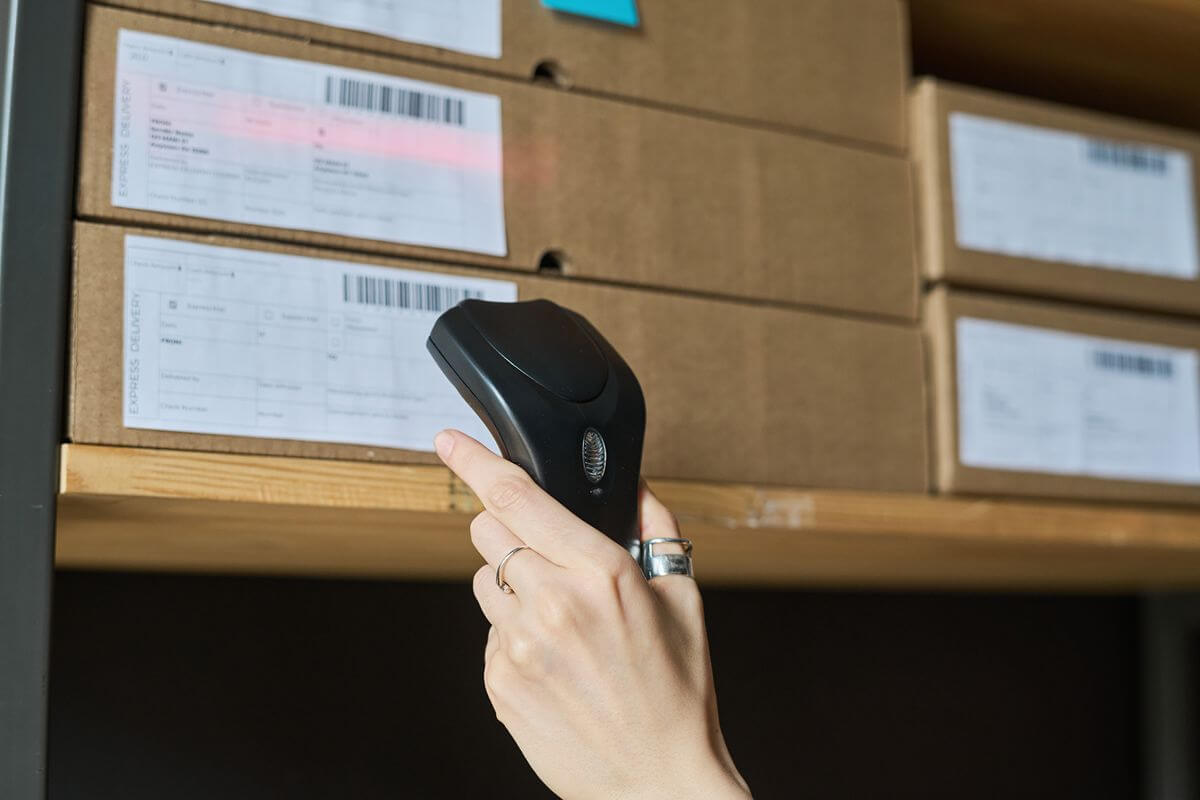
Barcodes and QR codes give each piece of equipment a scannable identity. Staff can scan the label with a mobile phone or handheld device whenever an item changes location or is assigned to someone else. These scans create a record of the asset’s last recorded location, helping employees narrow their search when equipment goes missing.
The system can also associate each scan with the person handling the equipment. This creates a clearer history of asset transfers between employees or departments. When an item cannot be found, staff can review its latest record to determine who last handled it and where it was supposed to be.
Radio Frequency Identification
Radio Frequency Identification (RFID) tags use radio waves to identify tagged equipment through compatible readers. Unlike barcode scanning, RFID can detect multiple tagged items without requiring staff to scan each label individually. This speeds equipment checks in storage rooms and other areas with many assets.
RFID readers like the R6 UHF RFID Sled Reader can record tagged items as they pass through designated scanning points. These records help staff identify when equipment moves between monitored areas. If an item is missing, its latest recorded scan can provide a useful starting point for locating it.
GPS and Bluetooth (BLE) Trackers
For equipment that travels between locations, GPS trackers provide location information across outdoor areas and remote sites. They are useful for vehicles and machinery that move between locations throughout the workday. Location updates can help staff narrow their search when these assets are misplaced or taken to an unexpected destination.
Inside facilities, Bluetooth Low Energy (BLE) trackers can help locate equipment by detecting nearby tags through compatible devices or sensors. This is useful for assets that move between rooms, offices, or storage areas. The detected location helps employees find misplaced items.
Centralized Software
A centralized dashboard gives staff a shared view of equipment records, including recorded locations and assigned users. It can also show where an item is supposed to be and when its record was last updated. This information helps employees identify discrepancies before spending time searching across the facility.
Movement records become more useful when staff can review them alongside equipment assignments and status updates. If an item is missing, employees can trace its recorded transfers and identify the last person or area associated with it.
Ways It Reduces Lost or Misplaced Equipment
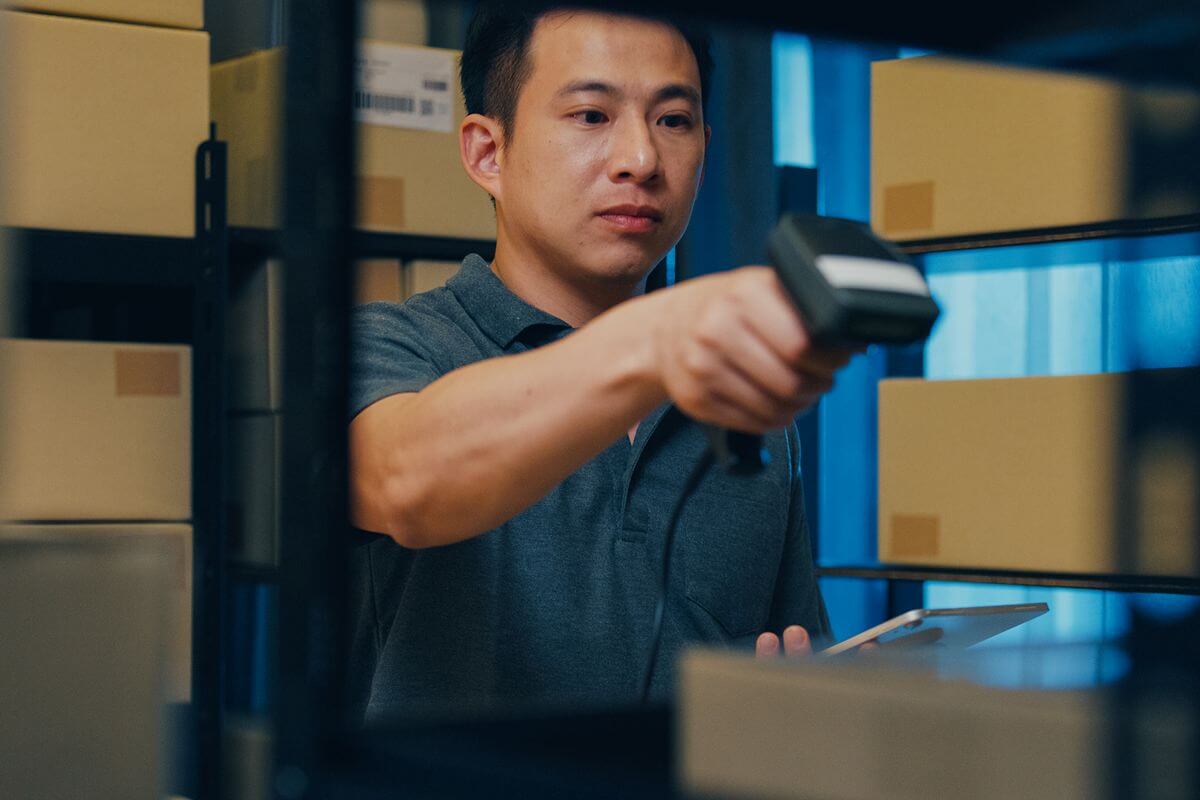
Asset tracking systems record asset locations and track movement across facilities. These records help employees narrow their search and identify where they last saw missing items.
Eliminates Manual Error
Digital asset tracking reduces errors caused by handwritten logs and manual record updates. When employees scan equipment during transfers, the system records its movement and helps keep location details current. This gives staff more reliable information to use when searching for misplaced items.
Creates a Digital Audit Trail
A digital audit trail records equipment movements and the employees responsible for handling assets. Staff can review these records to identify the last known location or assignment of missing equipment.
Stops “The Hunt” for Shared Gear
Shared equipment is easier to locate when employees can check its recorded location and assigned user before searching departments. Tracking records help staff see where an item was last stored or who used it most recently. With this information, teams can spend less time searching for tools and devices that move between departments.
Prevents Unauthorized Removal and Theft
Asset tracking helps businesses identify equipment that moves outside its expected location or assigned area. Alerts or movement records can flag unusual activity and give staff a clearer basis for investigating missing items. Employees can use these records to investigate unauthorized removal and respond faster when equipment goes missing.
Supports Proactive Maintenance
Maintenance records help businesses track equipment moved for servicing or taken out of use. Staff can check an asset’s status before searching for it, reducing confusion when equipment is unavailable for maintenance. After servicing, updated location records help employees return the equipment to its designated storage area.
Get Asset Tracking Systems From ELID Intl., Inc.
When staff need to check equipment across different areas, a handheld RFID reader can simplify the process. ELID Technology Intl., Inc. offers the AseTrak-UCW, a wireless, compact reader designed for mobile data collection. It lets staff identify tagged assets without a direct line of sight, making inventory checks more practical across storage and work areas.
The AseTrak-UCW has a read range of up to 30 feet under nominal conditions and an IP64 environmental protection rating. These features support asset checks across wider areas and in dust- or rain-exposed environments. By incorporating the AseTrak-UCW into inventory procedures, businesses can make equipment checks more efficient and keep better track of their assets.
Key Takeaway
Asset tracking systems help businesses account for equipment and trace missing items through digital records of asset movements. Companies exploring how asset tracking systems can help Philippine businesses with misplaced equipment can use these tools to improve asset accountability and narrow down where an item was last recorded.
If you’re looking for asset tracking solutions to improve equipment visibility, ELID Technology Intl., Inc. offers the AseTrak-UCW, a wireless, compact handheld RFID reader designed for mobile data collection. Contact us today to learn how our solutions can support your business’s asset tracking needs.