How Biometric Systems Improve Workplace Security and Access Management
Published on : September 26, 2026
How do biometric systems improve workplace security and access management?
- Eliminates shared and stolen credentials
- Real-time digital accountability
- Streamlined onboarding and revocation
- Multi-layered security options
- Integration with time and attendance
Overview
- Biometric systems strengthen workplace security by linking access permissions directly to verified personal characteristics, eliminating shared or stolen credentials.
- These solutions provide real-time digital accountability, streamline onboarding and revocation, enable multi-layered authentication, and integrate with time and attendance software. Centralized platforms like ELID Technology’s Matrix VI simplify management across facilities.
Traditional keys, cards, and PINs no longer provide adequate workplace accountability. Modern security across hotels and warehouses demands user-specific entry controls and activity tracking, making biometric systems essential for robust identity verification and access management.
With how biometric systems improve workplace security and access management, it’s no wonder more businesses are considering them to strengthen identity verification. Their ability to link access to a registered individual’s biometric data helps reduce the risk of unauthorized credential use.
Here’s what you should know about biometric systems and why they matter for workplace accountability.
Eliminates Shared and Stolen Credentials
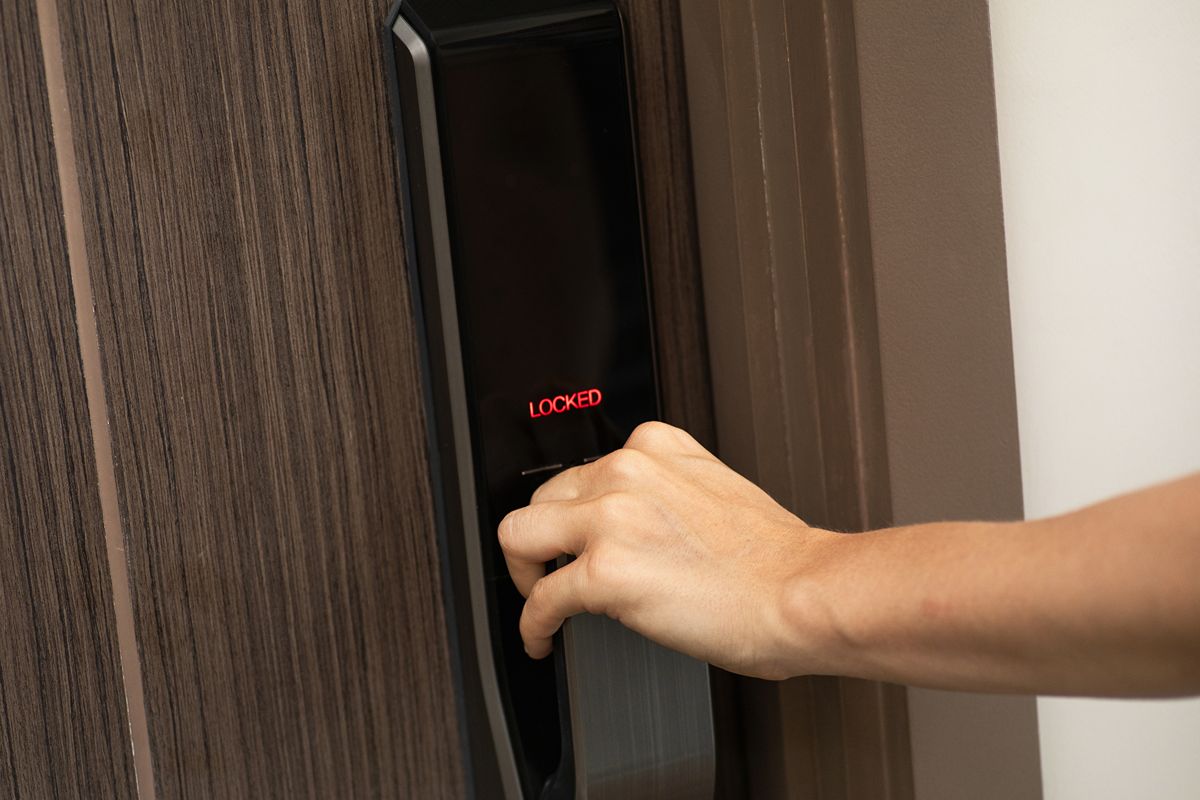
Biometric authentication links workplace access to a person’s registered physical characteristics, reducing the risk of unauthorized entry through shared credentials. Unlike an access card that can be handed to someone else, fingerprint or facial recognition requires the system to match the presented biometric data to a registered user.
For facility managers, this identity-based verification can strengthen security around staff-only rooms and valuable equipment. Each employee’s biometric credentials can be associated with specific access permissions, allowing the system to distinguish authorized users from those without clearance. This makes it harder for someone to gain entry simply by obtaining another employee’s card or PIN.
Real-Time Digital Accountability
Digital access logs give facility teams an accurate record of entry activity associated with registered users. Depending on the system, administrators can review successful entries and denied access attempts to establish when someone tried to enter a controlled area. These records provide a traceable account of activity that can help clarify security incidents.
In hotel operations, access records can help establish who entered staff-only facilities and when. Manufacturing plant administrators can use the same records to review access to restricted production areas. This visibility gives managers a clearer basis for investigating unusual activity and monitoring how access permissions are being used across the workplace.
Streamlined Onboarding and Revocation
Registering an employee in a biometric access system lets administrators assign entry permissions based on the person’s role. When a new employee joins, administrators can enroll their biometric credentials and link them to the areas they are authorized to access. If responsibilities change or employment ends, administrators can update or revoke permissions through the access management platform.
This centralized authorization process helps facility teams keep access rights aligned with current staffing arrangements. A hotel employee may need access to service corridors and staff facilities, while a manufacturing technician may require entry to designated operational areas. Updating permissions as employees move between roles helps prevent unnecessary access from remaining active.
Multi-Layered Security Options
Combining biometric verification with another authentication method adds another step to the entry process for areas that need stronger protection. A compatible system may require an employee to present an access card and complete a fingerprint scan before entry is granted. This means the card alone isn’t enough to pass the configured security checks, and only individuals with explicit permission may enter restricted zones..
Businesses can apply stricter authentication rules to areas that contain sensitive information or critical equipment. General staff entrances may use a single biometric check, and restricted rooms can require an additional credential for added protection against curious guests or ill-willed individuals. This approach lets facility managers align access requirements with each area’s required level of protection.
Integration with Time and Attendance
Biometric systems can support attendance tracking by allowing employees to record clock-in and clock-out times through identity verification. When integrated with compatible time and attendance software, the system can associate each recorded event with the registered employee. This gives HR teams and facility managers a more consistent source of attendance data.
Automated records make it easier to review attendance patterns and identify missing or inconsistent clock-ins. Managers can use the data to verify reported hours and support payroll and attendance administration. In shift-based workplaces, biometric attendance records can provide clearer records of employee arrival and departure times.
Achieve Strong Security Management with Biometric Systems From ELID Technology Intl., Inc.
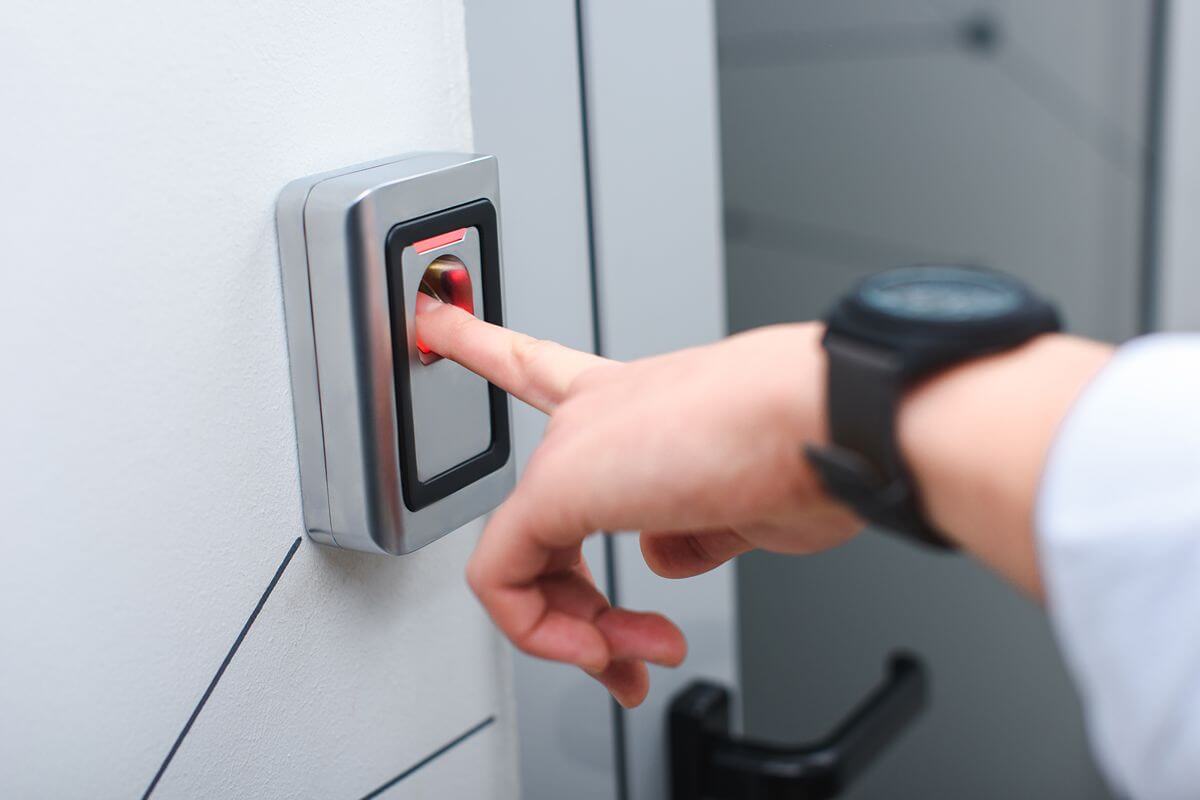
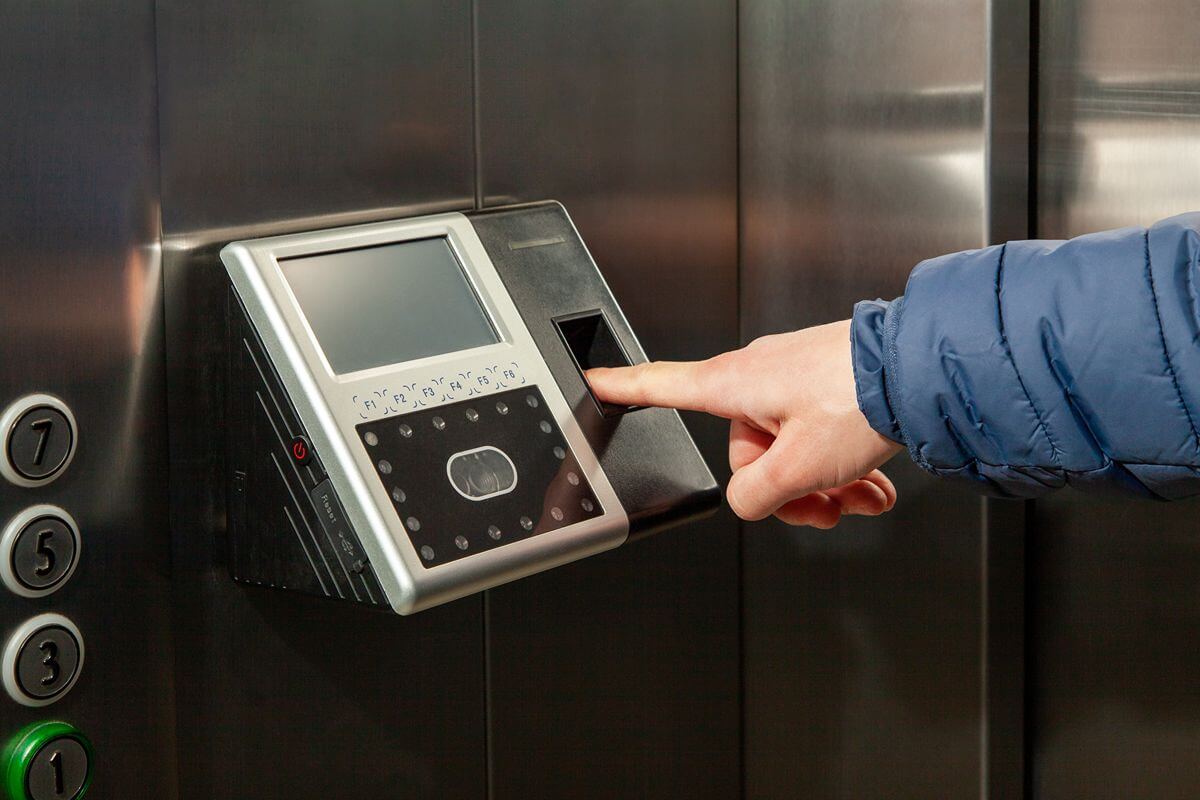
ELID Technology Intl., Inc. provides integrated security solutions that help businesses manage facility access and monitor entry activity. Its Matrix VI platform combines access control and lift management into a centralized system for managing user permissions and monitoring security events. It also supports biometric authentication at lift readers, adding strong identity verification at designated access points.
With Matrix VI, facility managers benefit from real-time monitoring and configurable access rules in managing security across their properties. Organizations can build a more controlled access environment that supports their workplace security needs.
Key Takeaway
Biometric systems help businesses strengthen workplace security by linking access permissions to verified identities and maintaining reliable records of entry activity. By keeping employee credentials and access rights up to date, facility teams can reduce unauthorized entry and improve accountability across their operations.
Knowing how biometric systems improve workplace security and access management can help businesses choose security measures that fit their operational needs. At ELID Technology Intl., Inc., facility managers can get access to integrated solutions that support more effective facility security across operations. Contact us today and get started on modernizing access control with biometric authentication.