
What to Know About Door Access Systems in the Philippines?
Published on : June 12, 2026
Overview
-
- Modern workplaces require robust security, compliance, and streamlined access.
- This article outlines key door access technologies in the Philippines—biometrics, RFID, and mobile/QR systems like ELID’s ERH923 and ER929 readers.
- Integrating these systems with fire codes and local standards ensures safety, while delivering core benefits like automated time tracking, instant credential revocation, and customizable access schedules.
As workplaces become more modernized, security is no longer optional. Today, facility managers are responsible for overseeing multiple entryways and ensuring only authorized personnel can enter sensitive areas.
It’s where door solutions address these needs. Instead of simply restricting entry, they take extra safety precautions to monitor movement, automate access permissions, and maintain precise records that support better facility management. This article explores what to know about door access systems in the Philippines, local compliance considerations, and their practical benefits.
Common Types of Systems
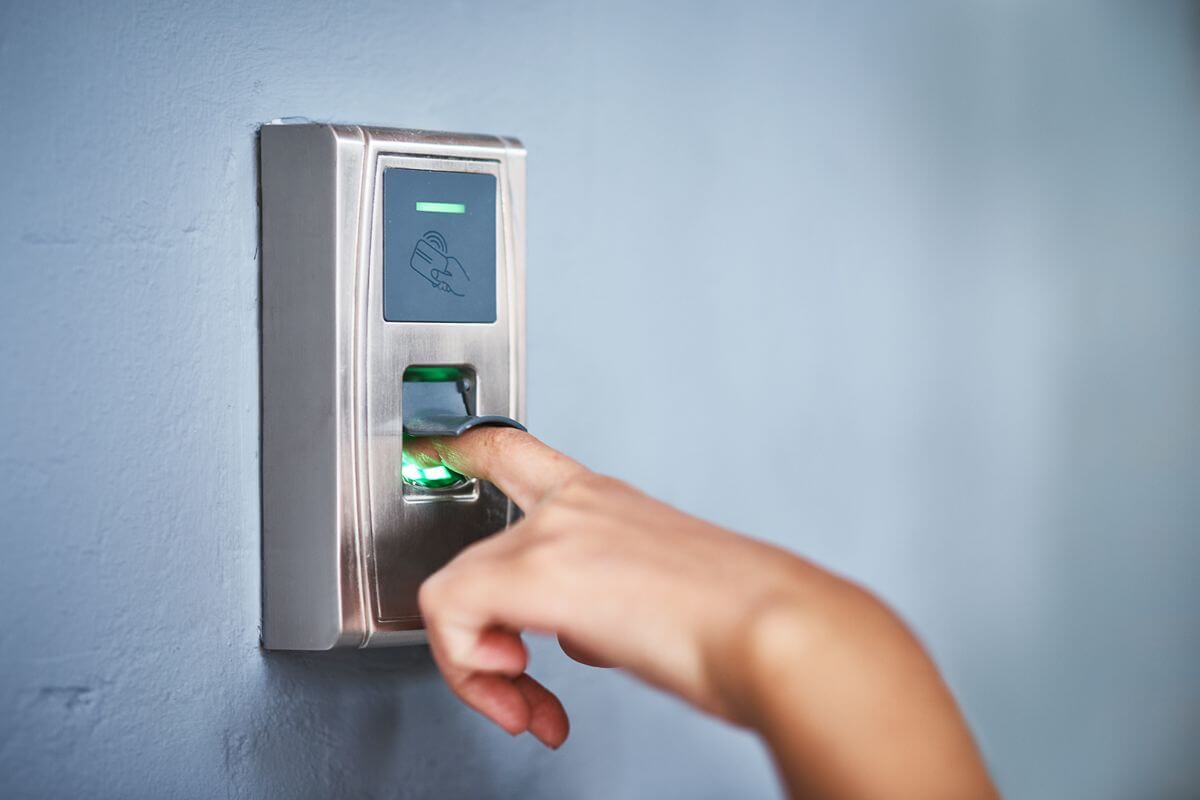
One of the priorities in choosing a door access solution is understanding the available technologies. While these advancements may vary, they all share the same goal: ensuring that only authorized individuals can access designated areas.
Biometric
Biometric doors verify a person’s identity using unique physical characteristics such as fingerprints, facial recognition, or iris scans. Because these identifiers are distinct to each individual, biometric authentication minimizes the risks associated with lost cards, forgotten passwords, or unauthorized credential sharing.
This makes biometric solutions especially suitable for institutions that require higher levels of security. That includes server rooms, research laboratories, financial institutions, and production areas where access should be tightly controlled.
RFID Cards
Radio Frequency Identification (RFID) card systems utilize contactless smart cards that communicate with readers to grant or deny access. Employees can simply tap or place their cards near the reader, making entry immediate and easy. RFID also balances security with ease of use, where access permissions can also be updated or revoked without replacing locks.
ELID offers reliable RFID access solutions, including the ERH923 Short-range Proximity Reader, to help businesses implement secure and efficient access control. Designed to read all HID cards, it features a durable IP67-rated housing for dependable performance in various environments, while its compatibility with the EK9S Keypad makes it a practical choice for commercial and industrial facilities seeking accurate and seamless RFID authentication.
Mobile and QR-Based Access
These are digital credentials stored on smartphones or dynamically generated QR codes to verify a user’s identity and grant entry to authorized areas. Employees in contemporary workspaces are adopting these technologies as alternatives to physical cards. They simply present digital credentials through their smartphones or temporary QR codes generated for visitors and contractors.
To support modern credential technologies, ELID offers the ER929 Multi-Technology Reader, built to accommodate ever-changing access control needs. It supports Bluetooth Low Energy (BLE), EM proximity cards, MIFARE contactless smart cards, as well as smartphone-based credentials and long-range active tags, allowing businesses to adopt more flexible authentication methods. With its weatherproof design, the ER929 provides strong functionality for indoor and outdoor applications, including access control, personnel tracking, and car parking management.
Safety and Compliance Rules
Organizations must guarantee that entry point protocols support emergency preparedness and comply with applicable building standards. Understanding these considerations helps you implement systems that protect people, properties, and resources.
Fire Code Integration
During emergencies such as fires or evacuations, occupants must be able to leave the building promptly and safely. Door solutions should therefore integrate with fire alarm systems to automatically unlock designated exit doors whenever emergency protocols are activated. This seamless integration ensures that safety guidelines never become obstacles, but rather a bridge to meeting safety needs.
Local Standards
Beyond security, door access technologies should also align with relevant Philippine guidelines governing workplace safety, structural workflows, and data protection. Depending on the facility, ventures should adhere to requirements under the National Building Code of the Philippines, the Fire Code of the Philippines, and Department of Labor and Employment (DOLE) workplace safety standards. This ensures that access control measures do not compromise occupant safety or emergency processes.
Core Benefits for Local Businesses
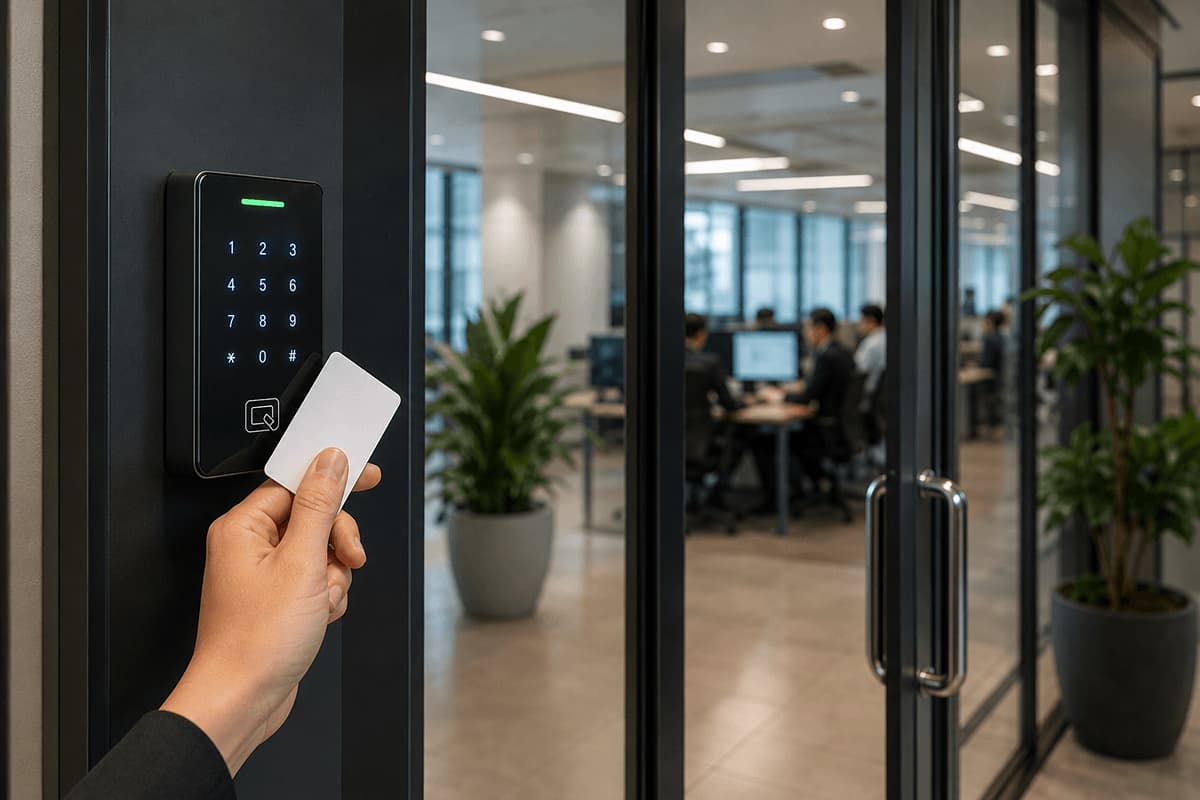
Access control solutions improve facility management by simplifying everyday operations. They provide precise information, reduce administrative workload, and give authorized people greater control over how different areas of the workplace are accessed.
Time Tracking
Automatic recording of employee entry and exit times simplifies attendance monitoring while reducing manual encoding and human error. That enables facility managers to gain better visibility into workforce movement, making it easier to verify attendance, investigate discrepancies, and support day-to-day operations.
Easy Revocation
Revoking access no longer requires collecting physical keys or changing locks. Administrators can instantly disable credentials for resigned employees, contractors, or temporary visitors, ensuring that only authorized individuals can enter the establishment.
Access Schedules
Assigning specific access hours helps businesses maintain better control. Whether it’s limiting contractor access to maintenance periods or allowing cleaning personnel after business hours, customized timelines strengthen security and provide employees access only when it’s necessary.
Key Takeaway
Knowing what to know about door access systems in the Philippines cultivates workplace security, access management, and greater visibility into facility activities. And as businesses continue to modernize their security strategies, ELID offers entry solutions that embrace a commitment to quality, innovation, and dependable performance. Reach out to us today to learn more.