Overview
- Manual attendance systems, common among small Philippine businesses, pose risks including errors, payroll discrepancies, time theft, compliance violations, and heavy administrative burdens. As organizations grow, these limitations worsen.
- Automated solutions like ELID’s TimeCheK streamline tracking, reduce errors, ensure compliance, and enhance workforce management, making attendance accurate and efficient.
Tracking employee attendance is essential for accurate payroll, schedule management, and regulatory compliance.
However, many organizations still rely on manual methods like paper logs or punch cards, exposing them to the common risks that manual attendance systems pose, including errors, data loss, and compliance issues. Recognizing these risks helps businesses adopt smarter, more reliable solutions.
Why Manual Attendance Systems Still Exist

Despite the clear benefits of digital attendance solutions, many businesses still rely on manual systems. Small retail stores, construction sites, agricultural operations, and freelance or event-based businesses often use paper logs, punch cards, or sign-in sheets. These methods are familiar to staff, simple to implement, and cost-effective for organizations with limited budgets or transient workforces.
In the Philippines, micro and small enterprises make up over 99% of businesses, many of which continue to use manual attendance processes due to resource constraints. Industries like construction and agriculture also face practical challenges, as employees often work on-site or in remote areas with unreliable internet access. Flexible operations, such as freelance or event-based work, prioritize simplicity and adaptability over technological solutions.
While manual systems may suffice for smaller operations, they carry inherent risks. Errors in recording, inefficiencies in processing, and difficulties in ensuring compliance become more pronounced as organizations grow or manage larger, more complex workforces. These limitations highlight the need for more reliable and automated attendance solutions.
Cost and Accuracy Risks
Manual attendance systems may seem straightforward, but they introduce several challenges that reflect the common risk manual attendance systems pose to businesses’ accuracy and bottom line.
The following are issues that create hidden costs and inefficiencies that can quietly add up over time:
Human Error and Inaccuracy
Missed entries, illegible handwriting, or incorrect calculations can all result in inaccurate attendance records.
Over time, these errors accumulate, leading to discrepancies in payroll, misreporting of hours, and even misunderstandings with employees.
For businesses with dozens or hundreds of staff, correcting these mistakes can consume significant administrative resources.
Fraud and Time Theft
Manual systems are highly susceptible to manipulation. “Buddy punching,” where one employee clocks in or out on behalf of another, inflates recorded hours and leads to overpayment.
In industries with hourly wages or flexible schedules, such fraudulent behavior can significantly increase labor costs.
Payroll Complications
Errors from manual attendance tracking ripple directly into payroll. Miscalculations can lead to overpayments, underpayments, and disputes, forcing HR staff to spend hours reconciling records.
Beyond the administrative cost, inaccurate payroll can affect employee morale and trust, creating workplace tension.
Efficiency and Administrative Burden
Manual attendance systems don’t just introduce accuracy issues; they also create a heavy administrative load and limit operational efficiency.
Below are the main challenges companies face in this area:
Heavy Administrative Load
HR personnel must collect, verify, and reconcile timesheets or punch cards, often repeating calculations to ensure accuracy.
For companies with multiple branches or remote teams, this workload can quickly become overwhelming, diverting resources away from strategic initiatives like staff development or operational improvements.
Poor Visibility and Reporting
Manual systems provide minimal insight into attendance trends or workforce patterns. Managers may struggle to quickly identify absenteeism, late arrivals, or overtime, making it difficult to optimize staffing and track employee performance.
Without centralized, real-time data, decision-making becomes reactive rather than proactive, limiting operational efficiency.
Lack of Scalability
As a business grows, manual attendance processes become increasingly unsustainable. Adding more employees means more logs to manage, more errors to correct, and more time spent processing payroll.
In common sectors for SMEs in the Philippines, this lack of scalability can hinder expansion and create bottlenecks in workforce management.
Security and Legal Risks
Beyond accuracy and efficiency, manual attendance systems expose businesses to significant security and compliance challenges.
These risks not only threaten data integrity but also put businesses at risk of labor violations and safety issues.
Data Loss and Physical Storage Risk
Physical attendance records are at constant risk of being misplaced, damaged, or destroyed due to fire, floods, or simple human error.
Without a secure and backed-up system, this leads to incomplete records and makes audits or employee verification challenging.
Compliance Violations
Accurate attendance records are crucial for complying with Philippine labor laws, including minimum wage, overtime, and rest day regulations.
Manual systems increase the likelihood of incomplete or inconsistent documentation, exposing companies to penalties from the Department of Labor and Employment (DOLE) and potential disputes with employees.
In fact, labor inspections often highlight gaps in record-keeping as a common compliance issue among SMEs.
Emergency Response Risk
During emergencies, such as fires, natural disasters, or workplace accidents, knowing who is on-site is essential for ensuring employee safety.
Manual systems make it difficult to quickly account for all staff members, potentially delaying evacuation or emergency response efforts.
For businesses with multiple locations or off-site teams, this risk is heightened.
Make Attendance Effortless with ELID
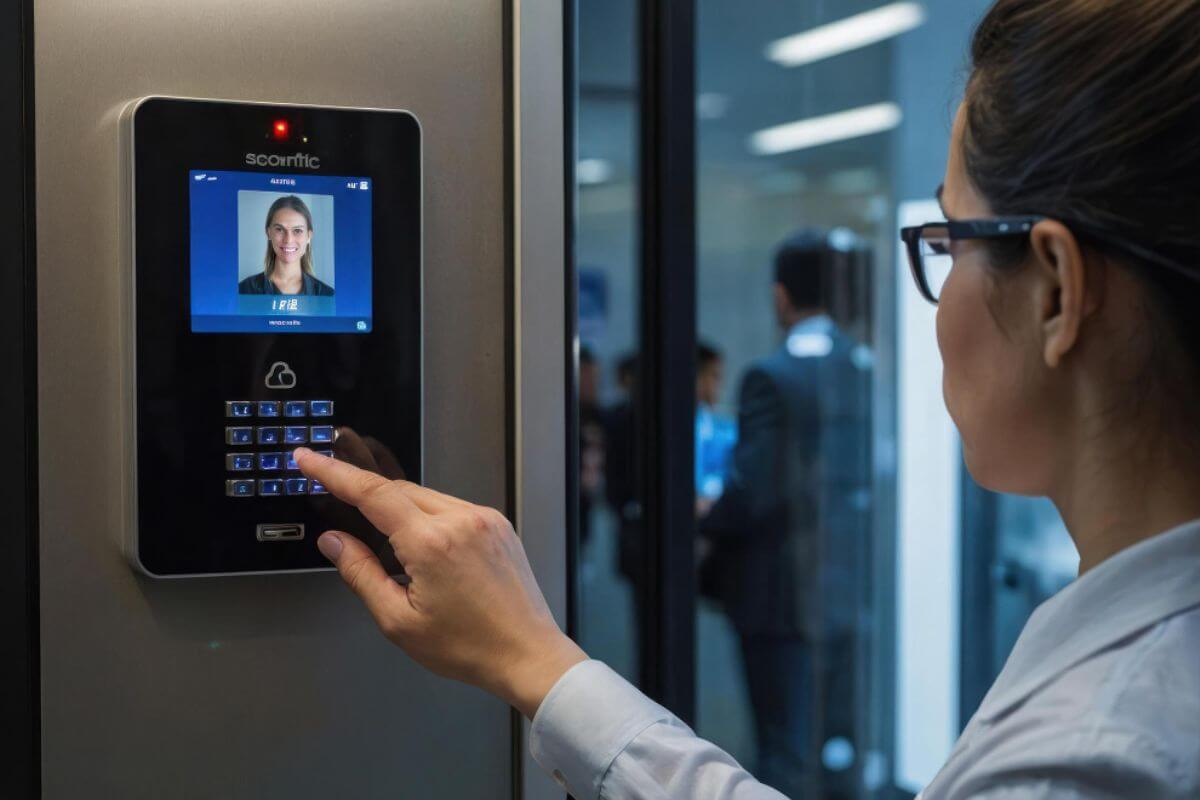
At ELID, we understand that attendance management is about accuracy, accountability, and efficiency. TimeCheK automates tracking with biometric verification and real-time reporting, integrating seamlessly with PayCheK Payroll and IDenCheK HRIS. Scalable for any operation, it reduces errors, ensures compliance, and lets HR focus on supporting employees and growing the business.
Key Takeaway
Workforce management isn’t just about tracking hours—it’s about creating systems that protect your business, empower employees, and drive operational efficiency.
If your organization is ready to move beyond paper logs, contact ELID today and experience how TimeCheK makes attendance effortless for your workforce.