What are the Similarities aand Differences Between RFID and Barcode in Inventory Factors
Published on : April 24, 2026
Overview
RFID and barcode systems both play important roles in inventory management, but they differ in how they collect data, process scans, and perform in real-world operations.
Understanding their shared functions and distinct capabilities helps businesses make better decisions based on accuracy, speed, durability, and cost.
This article explores the key similarities and differences between the two technologies to help you determine which system best supports your inventory tracking operations.
In everyday inventory operations, especially in facilities where accurate item tracking is essential, facility managers often work with both RFID and barcode systems. However, while both serve a similar purpose, the differences in how they function, the type of data they provide, and the level of efficiency they offer are not always clearly understood.
Knowing where RFID and barcode systems overlap, and where they differ, can help businesses choose the right solution based on their operational needs, budget, and tracking requirements.
Here are the similarities and differences between RFID and barcode to help you better understand how each one fits into your operations.
Key Similarities
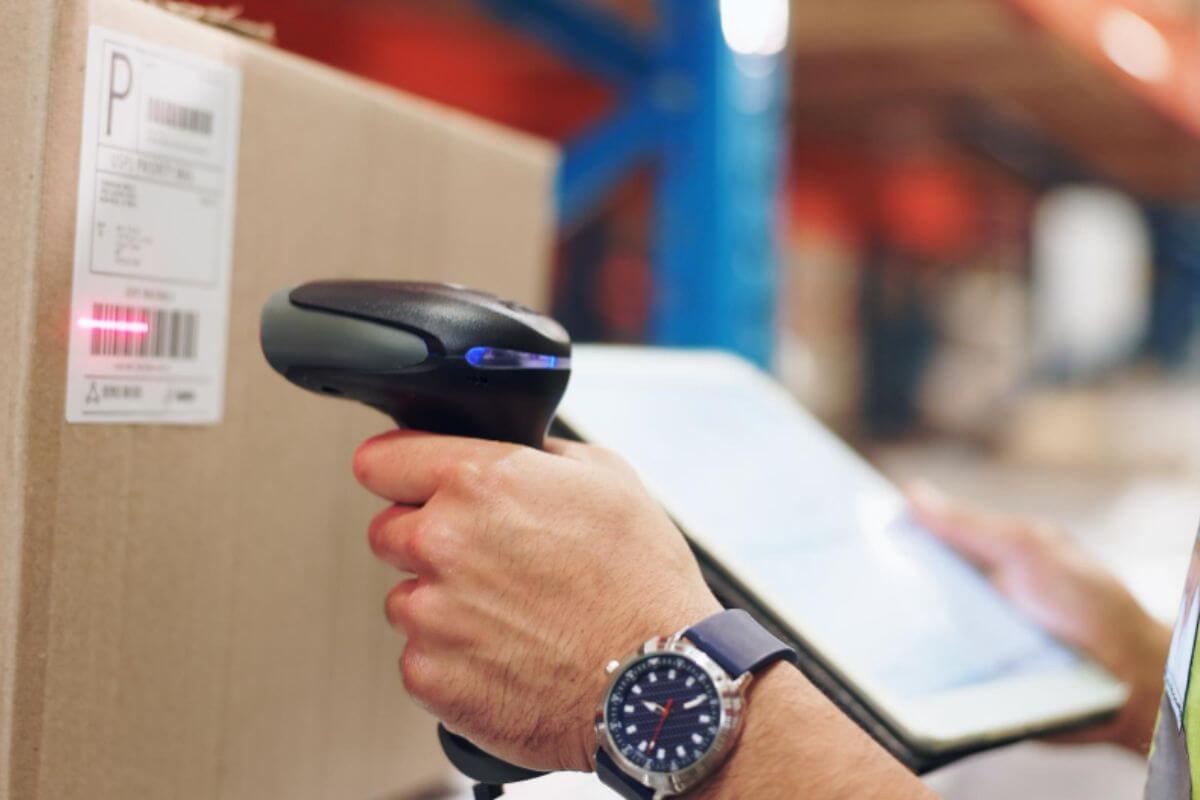
Despite their differences, RFID and barcode systems are built to serve the same core purpose in inventory management. Understanding these shared functions makes it easier to see why both technologies remain widely used across different industries today.
Purpose
The shared goal of both RFID and barcode systems is to make inventory easier to identify and manage. They uniquely identify items through encoded data to help reduce manual errors and improve overall efficiency in supply chain operations. In day-to-day use, both support inventory audits, receiving verification, and locating products by linking physical items to digital records.
Data Collection
Whether using RFID or barcodes, both systems rely on capturing and transmitting item-specific data into inventory systems. Barcodes do this through optical scanners that read and decode visual patterns, while RFID uses radio wave readers to communicate with tags wirelessly. This process automates data entry during receiving, picking, and cycle counts, allowing inventory records to be updated in real time without manual input.
Widespread Application
Because of their versatility in inventory management, both RFID and barcode systems are widely used across industries. They are commonly used in logistics, retail, manufacturing, and warehousing to support the movement and tracking of goods from production to delivery. Particularly, in large-scale operations, they are used to reduce stockouts and enhance coordination between inventory points.
Tagging
Both systems use tags or labels attached directly to products or packaging to encode unique identifiers, allowing items to be consistently tracked throughout the supply chain. Barcodes use printed patterns on adhesive labels or direct marking, while RFID uses embedded microchips with antennas housed in durable tags that store data for repeated readings.
Key Differences
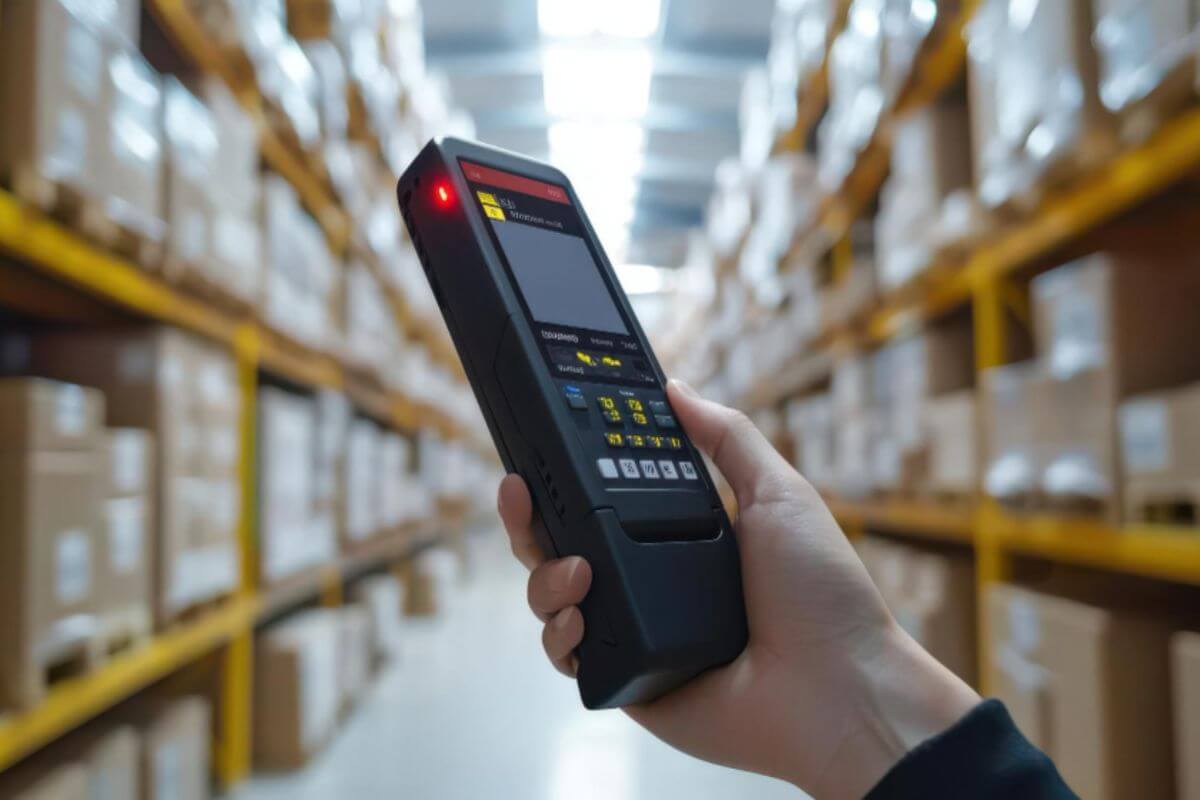
While RFID and barcode systems share similar goals, they begin to differ in how they perform key inventory functions. These differences become more evident when looking at how each technology operates in scanning, data handling, and physical requirements.
Line-of-Sight and Distance
Barcodes require a direct line-of-sight for scanning, meaning each label must be individually aligned with an optical reader at close range, typically within inches. In contrast, RFID systems, such as our UHF RFID Integrated Reader (EL-86R), remove this limitation by using radio waves to read tags wirelessly from much greater distances, up to 300 feet. They also do not require direct visibility and can read through packaging.
Scanning Speed/Bulk Reading
Barcodes process labels sequentially, which can slow down high-volume tasks such as full warehouse inventories. RFID systems, on the other hand, are designed for bulk reading. Meaning they can capture hundreds of tags per second simultaneously without the need for alignment. This makes them more suitable for fast asset audits and high-throughput logistics operations.
Data Capacity and Read/Write
Barcodes hold limited static data, typically around 20–100 characters, and this information cannot be changed once it is printed. Whereas RFID systems like ELID’s can support tags with up to 2KB of capacity and include read/write functionality, so even maintenance history or location data can be updated directly on the tag.
Durability
Barcodes, which rely on printed labels, can become damaged over time due to wear, smudging, or exposure to dirt and moisture. And this is not good because it may affect their readability. RFID tags, on the other hand, are encased in rugged materials designed to withstand tougher conditions, so they are suitable for long-term use.
Cost
Barcode systems generally have lower upfront costs, with inexpensive labels and scanners making them suitable for basic or small-scale applications. In contrast, ELID RFID systems require a higher initial investment, but the long-term gains in efficiency and accuracy can make that cost worthwhile.
Key Takeaway
The similarities and differences of RFID and barcode show that while both systems support essential inventory tracking, they vary in capability, efficiency, and application depending on operational needs.
If you’re aiming to upgrade your inventory systems, ELID provides advanced RFID solutions built for real facility environments.
Contact us now to get started!