Overview
This article explains which technology is best for asset tracking in the Philippines, outlining RFID, BLE, barcodes, UWB, and GPS for different operational needs.
It highlights use cases, benefits, and limitations, then emphasizes accuracy, environment, cost efficiency, and supplier reliability when selecting scalable, data-driven asset tracking solutions for modern businesses.
In manufacturing and facility management environments, effective asset tracking is essential to operational efficiency. Misplaced or underutilized assets can lead to production delays, higher operating costs, and revenue losses.
To address these risks, organizations require a system that not only provides real-time visibility into asset location and condition but also generates actionable insights to support informed, data-driven decision-making.
These considerations play a critical role in determining which technology is best for asset tracking. This article examines the leading asset tracking technologies in the Philippines and how to identify the most suitable option for your business.
For General Indoor and Logistics
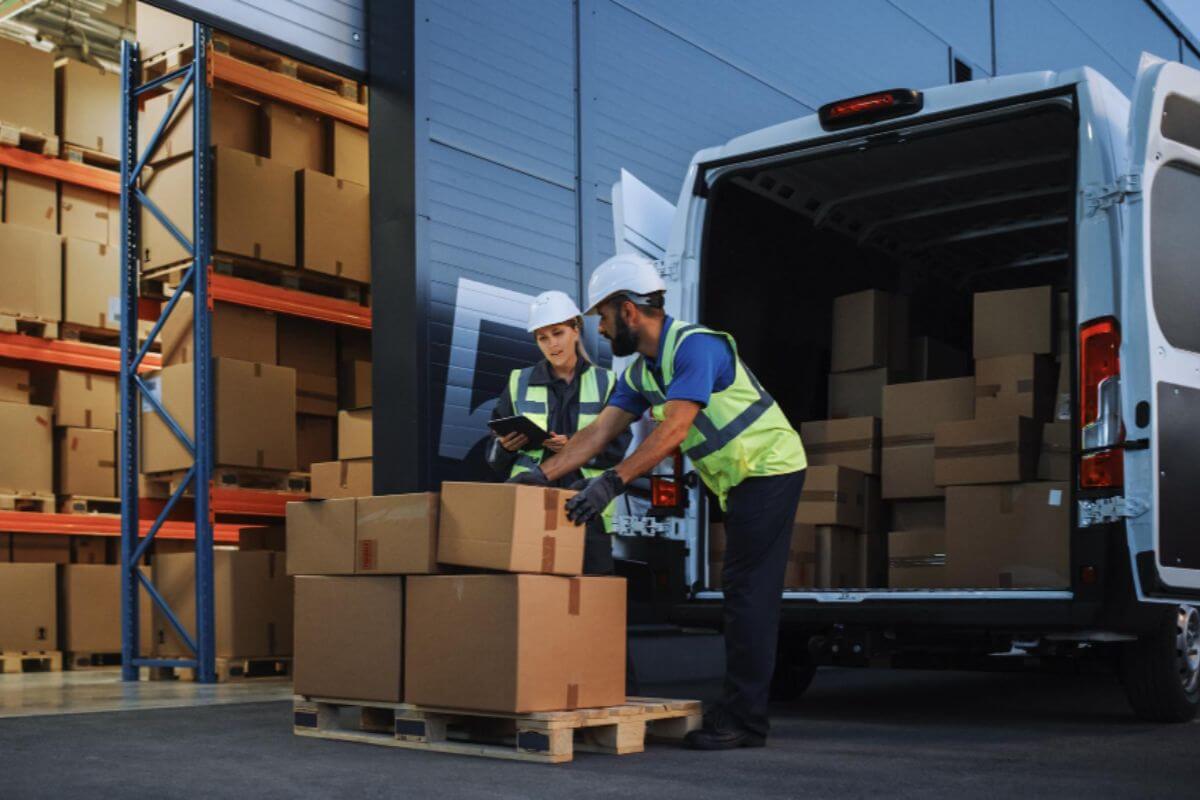
Handling assets within indoor facilities and logistics workflows comes with its own set of challenges. From ensuring that inventory is correctly tracked in warehouses to monitoring equipment in different storage areas, businesses need solutions that can keep pace with everyday movements.
RFID
Radio Frequency Identification (RFID) has long been recognized as an effective technology for asset tracking. Using radio waves to identify and monitor items, RFID enables real-time visibility, reduces manual scanning errors, and streamlines operations.
For organizations requiring a robust RFID solution, ELID’s UHF RFID Integrated Reader offers high-performance, long-range tracking. Its reliable, industry-grade design delivers superior detection and data processing capabilities, ensuring accuracy across various applications.
Intended Applications: Logistics, Access Control, Parking Management, Manufacturing Control
Bluetooth Low Energy (BLE)
BLE recognizes the location of resources in real time without requiring extensive infrastructure. Its compact beacons are ideal for confined spaces, enabling managers to monitor tools, equipment, and inventory efficiently.
Moreover, this technology is certainly suited for operations where assets usually move between zones or require frequent status updates. Its low energy consumption also makes it a sustainable choice for entities aiming to lower upkeep fees while maintaining visibility over crucial resources.
For Low-Cost and Static Assets
Some companies learn to prioritize solutions that are simple, yet reliable and unattainable. Efficient asset tracking guarantees that nothing gets misplaced, helps maintain inventory exactness, and lessens time spent on traditional audits, all without the need for high-tech infrastructure.
Barcodes or QR Codes
These are easy to implement, need minimal infrastructure, and offer trusted identification for items such as tools, parts, and office supplies. Scanning these codes helps minimize mistakes, maintain correct inventory, and streamline audits.
For businesses looking to maximize efficiency, ELID’s AseTrak Mobile Reader offers a versatile, all-in-one solution. With capabilities including barcoding, UHF RFID, HF RFID/NFC, and even iris/fingerprint recognition, this easy-to-deploy device supports secure, accurate, and fast data capture, making it an ideal tool for managing static resources.
Astrak mobile reader features include:
- Cortex-A53 Octa-core 2.5GHz
- RAM+ROM: 3+32GB
- 5000mAh Powerful Battery
- 1.8m Drop Proof
- Android 8.1 (GMS Certified)
- 5.2” IPS 1080P Screen
- IP65 / IP67 Sealing
- 4G / Dual-band WIFI
For High Accuracy and High Value Assets
Choosing the right technology ensures that organizations maintain full visibility, protect investments, and improve resource utilization without compromise. Therein, accuracy and reliability are paramount.
Ultra-Wideband (UWB)
By using short-range radio waves with precise timing, UWB can pinpoint asset areas within centimeters, far surpassing the exactness of standard RFID or BLE systems. This level of precision is especially relevant in environments where the exact location of equipment or tools directly influences operational efficiency, safety, or compliance.
For Outdoor and Mobile Assets
Investments that move across big places, like vehicles, heavy machinery, or field equipment, require tracking technologies that provide reliable real-time visibility. Monitoring these mobile assets helps businesses prevent loss, optimize utilization, and maintain operational efficiency even in dynamic or dispersed areas.
GPS
By providing real-time location data, Global Positioning System (GPS) enables businesses to monitor asset movement, optimize routing, and improve fleet or equipment use. With GPS tracking, organizations can immediately respond to delays and make data-driven operational decisions. Its broad-area coverage ensures that mobile resources remain visible and accountable, supporting efficiency in dynamic outdoor surroundings.
Key Considerations When Choosing
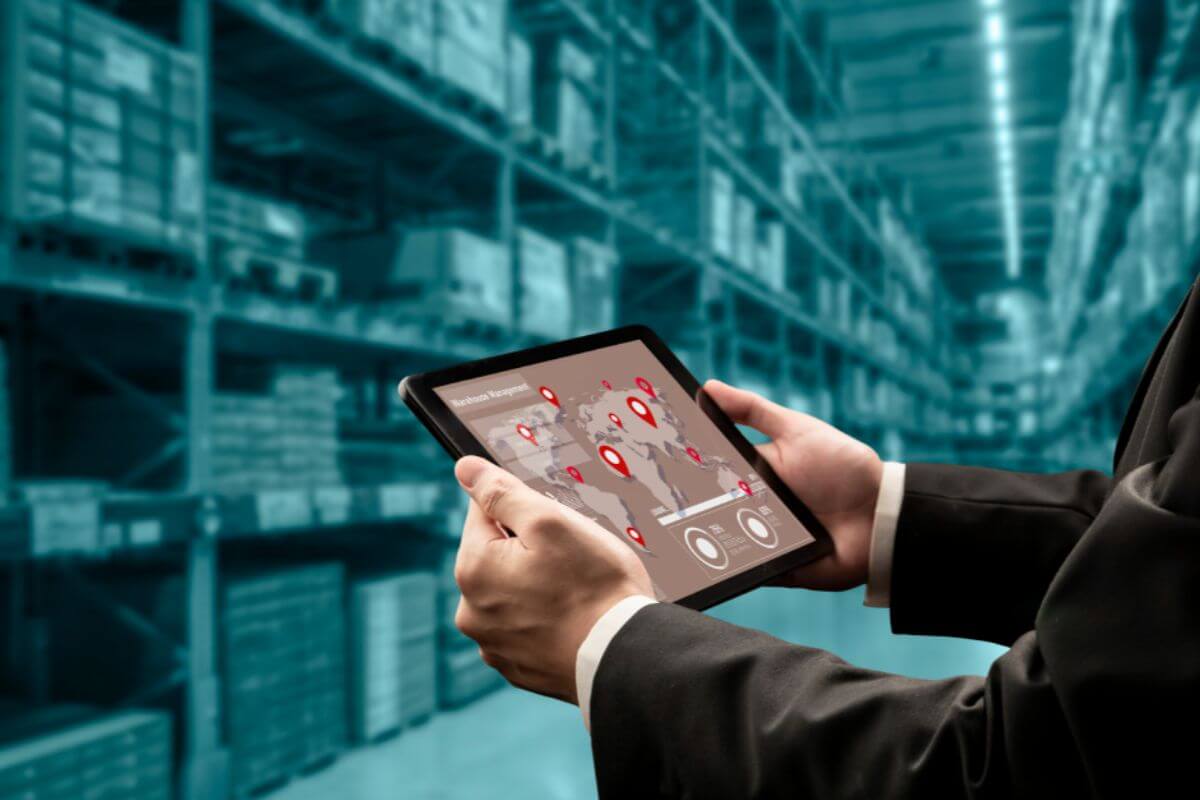
Selecting the right asset tracking solution requires more than choosing a technology; it involves assessing key factors to ensure alignment with operational goals.
- Required Accuracy – Determine the level of precision your operations demand. Technologies that deliver real-time, high-accuracy location data help reduce manual effort and improve overall efficiency.
- Operating Environment – Evaluate your working conditions. Select a solution designed to perform reliably despite temperature extremes, metal interference, or high humidity.
- Cost Efficiency – Weigh implementation and maintenance costs against long-term value. A well-balanced investment supports operational gains without unnecessary overspending.
- Supplier Reliability – Partner with a trusted provider such as ELID to ensure smooth deployment, dependable support, and expert guidance as your asset tracking requirements evolve.
Key Takeaway
When deciding which technology is best for asset tracking, consider your specific operational needs, asset types, and environmental conditions. Assess factors such as accuracy, mobility, cost, and scalability to choose a solution that maximizes efficiency and supports long-term operational goals.
ELID provides reliable, versatile asset-tracking solutions, including the UHF RFID Integrated Reader and the AseTrak Mobile Reader, designed for accurate data capture, easy deployment, and improved asset visibility. Contact ELID to enhance your tracking capabilities and operational efficiency.