How does asset tracking benefit your business?
- Real-Time Visibility
- Cost Reduction & Optimization
- Improved Maintenance
- Theft Prevention & Security
- Data-Driven Decision Making
- Increased Productivity
Overview
- Asset tracking transforms business operations by providing real-time visibility, reducing costs, improving maintenance, preventing theft, and supporting data-driven decisions.
- ELID’s AseTrak system uses RFID technology to track assets across locations, streamline workflows, enhance security, and boost productivity, helping Philippine businesses manage resources efficiently and make informed operational choices.
In fast-moving industries such as manufacturing, logistics, and facility management, asset control directly affects operational stability and profitability. Equipment misplacement, maintenance delays, and limited visibility can quietly increase costs and reduce productivity.
So, what does asset tracking do for your business in practical terms? Below are the core business impacts organizations can expect.
Real-Time Visibility

Modern asset tracking systems provide a live window into equipment location, status, and utilization across multiple facilities.
Technologies like Global Positioning System (GPS), Barcode, Quick Response (QR) codes, and Radio Frequency Identification (RFID) eliminate the guesswork, allowing businesses to monitor movement and availability with absolute precision.
High visibility transforms operations by:
- Eliminating Search Time: Teams stop hunting for gear and start executing.
- Preventing Delays: Immediate location data keeps projects on schedule.
- Optimizing Allocation: Managers deploy resources based on actual need rather than estimates.
Centralized digital dashboards replace the friction of manual logs, ensuring every decision is backed by a single, accurate source of truth.
Cost Reduction and Optimization
Untracked assets frequently trigger redundant procurement and leave valuable resources underutilized. Asset tracking solves this by providing precise utilization reports, enabling businesses to reassign idle equipment rather than purchasing duplicates.
A manufacturing plant, for instance, can identify underused handheld scanners and reallocate them across departments. This data-driven approach directly reduces overhead, minimizes waste, and maximizes the return on every capital investment.
Improved Maintenance
Reactive maintenance often leads to unexpected downtime and higher repair costs. Asset tracking platforms prevent this by centralizing asset lifecycle information, including service history, warranties, and scheduled maintenance.
Automated reminders keep preventive servicing on track, helping maintenance teams monitor usage, address potential issues early, and avoid costly equipment failures.
- Plan Proactively: Schedule interventions during natural lulls in production.
- Minimize Disruptions: Reduce the frequency of emergency repairs that halt facility operations.
- Extend Asset Life: Drive a higher return on investment through consistent, data-backed care.
Structured oversight transforms maintenance from a constant fire-drill into a predictable, strategic function.
Theft Prevention & Security
Asset loss from theft, misplacement, or unauthorized use can negatively affect profitability and compliance. Asset tracking systems enhance accountability, recording both movement and user interactions in real time.
For example, a manufacturing plant in Cebu tracks RFID-tagged tools linked to access control. If a machine leaves its designated area, the system alerts the facility manager and logs the user, enabling quick recovery. Real-time monitoring and alerts improve accountability, reduce shrinkage, and strengthen operational security.
Data-Driven Decision Making
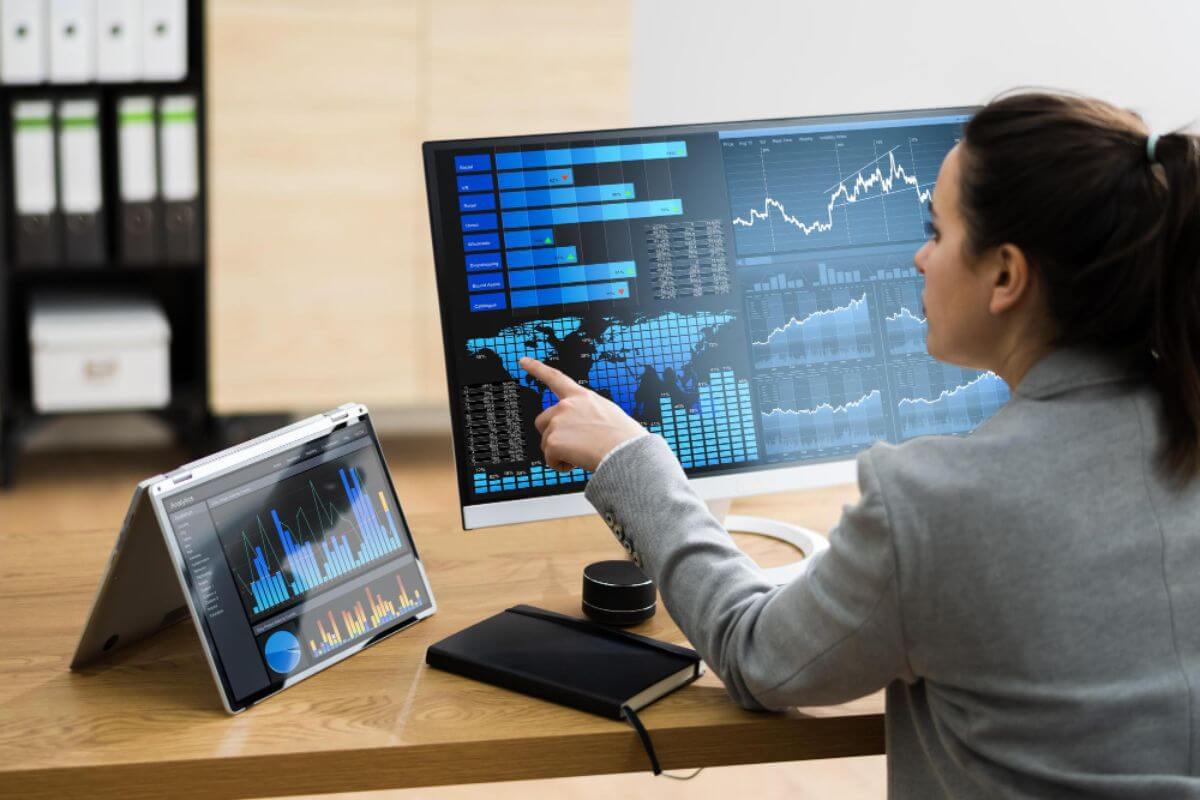
Reliable asset data empowers leadership teams to move beyond guesswork. Detailed reports on utilization, downtime, and lifecycle costs provide the measurable insights necessary to ground budgeting and strategic planning in reality.
Accurate analytics allow organizations to forecast replacement cycles, justify capital investments, and pinpoint specific areas for process refinement. This shift ensures decisions remain evidence-based rather than reactive, strengthening long-term operational strategy.
Modern tracking turns raw information into a competitive advantage by:
- Predicting Needs: Forecast equipment retirement before failure occurs.
- Justifying Spend: Use concrete data to support high-level budget requests.
- Refining Processes: Identify and remove bottlenecks in asset flow and usage.
Increased Productivity
Operational efficiency scales when teams stop hunting for equipment and start executing. Clear tracking systems streamline the entire lifecycle of an asset, from issuance and returns to complex inventory audits.
Field teams leverage real-time data through mobile tools, drastically cutting down on manual administrative tasks. This digital access allows personnel to dedicate their energy to core responsibilities rather than logistical troubleshooting.
The transition to automated tracking results in:
- Faster Turnaround: Rapid check-in and check-out processes keep workflows moving.
- Coordinated Workforces: Real-time location data synchronizes team efforts across facilities.
- Minimized Friction: Smooth day-to-day operations emerge when equipment availability is guaranteed.
Choose ELID For Asset Tracking in Your Business
What does asset tracking do for your business? It saves time, reduces errors, improves efficiency, and gives a clear overview of all assets across multiple locations.
ELID’s AseTrak system uses long- and short-range RFID readers to monitor assets, updating location, movements, serial numbers, maintenance schedules, and discrepancies in real time. With RFID tags, businesses can track equipment, furniture, and computers beyond the limits of traditional barcodes.
The system also supports automated reporting, audits, and enhanced security, simplifying asset management and ensuring operational efficiency for companies of any size.
Key Takeaway
Since 1989, ELID has been a trusted Philippine manufacturer of security access control and integrated security systems for businesses of all sizes. We provide innovative, high-quality, and affordable solutions, continuously improving our products to meet client needs with technology, efficiency, and user-friendly design.
By leveraging ELID’s advanced tracking systems, including RFID technology, you can enjoy real-time asset visibility, streamlined operations, and improved security across your organization. Contact us now!