



Overview
- Attendance monitoring is vital for organizational efficiency, yet many still rely on error-prone manual systems.
- Comparing manual vs automated attendance, automated solutions offer greater accuracy, efficiency, and scalability.
- ELID’s TimeCheK system streamlines time tracking, prevents payroll fraud, supports multi-site operations, and integrates biometric and digital tools for modern workforce management.
Attendance monitoring is essential for maintaining efficiency and accuracy across industries, yet many organizations still rely on traditional methods that are prone to errors, delays, and administrative challenges. As operations grow more complex, businesses are evaluating whether conventional approaches remain effective or if modern solutions are needed.
This article explores manual vs automated attendance, highlighting how each method impacts accuracy, efficiency, and scalability, helping organizations choose the best system for long-term workforce management.
What is Manual Attendance?

It refers to a conventional method of recording employee clock-ins and clock-outs using tools like logbooks, paper timesheets, punch cards, or spreadsheets. In this setup, employees write or record their attendance themselves, and administrators later assess, encode, or compute these entries.
While it’s familiar and convenient to start with, manual attendance relies on human input. This makes it more susceptible to mistakes, delays, and inconsistencies as workforce size and operational needs develop.
What is Automated Attendance?
It is a contemporary attendance monitoring tool that uses biometric devices, RFID cards, facial recognition, or mobile-based systems to record automatically. Instead of depending on conventional entries, the system captures and stores attendance data in real time, which lowers the need for physical forms or manual encoding.
This approach offers exact, prompt, and centralized records, making it easier for officers to handle changes, generate reports, and maintain adherence in fast-paced manufacturing workflows.
Manual vs. Automated Attendance: Choosing the Right Solution for Your Team
With both manual and automated systems available, it’s essential to understand how each one performs in real-world situations. By comparing their strengths and restrictions, you can identify which solution best supports your team’s efficiency, adequacy, and lasting growth.
| Feature | Manual Attendance | Automated Attendance |
|---|---|---|
| Method | Utilizes handwritten logbooks, punch cards, or spreadsheets that require employees to record their time manually. | Uses digital tools such as biometric devices, RFID systems, or mobile apps to capture time data instantly. |
| Time and Efficiency | Processing time-ins and time-outs manually takes longer because staff must record, verify, and encode data by hand. This slows down everyday workflow and maximizes the chances of delays. | Digital solutions capture and process time data instantly, significantly lessening administrative workload. This optimizes efficiency by allowing HR and admin teams to focus on more valuable activities. |
| Accuracy | Human error is more common since data is written, transferred, and tallied through the use of hand. The result? Miscalculations, missing entries, or inconsistencies in employee records. | It records time data adequately and consistently, eliminating mistakes caused by manual input. This ensures dependable records that support fair payroll and compliance. |
| Expense | It’s initially low-cost, but can become expensive over time due to administrative labor, error correction, and possible payroll discrepancies. Hidden costs accumulate as inefficiencies grow. | It calls for an upfront investment but saves money in the long run by minimizing labor hours and costly errors. This makes it a more attainable solution for more years to come. |
| Fraud Prevention | Vulnerable to “buddy punching” and other forms of time theft, making it tougher to ensure honest reporting. This may result in inflated payroll expenses and trust. | With the utilization of biometric, RFID, or online verification procedures, buddy punching and unauthorized entries are prevented. This ensures correct records and strengthens accountability. |
| Scalability | It becomes increasingly challenging to handle as the workforce develops, which usually requires more staff and resources to maintain records. Expansion can lead to inefficiencies and inaccuracies. | Can easily scale to accommodate a growing workforce, multiple locations, or intricate shifts. This allows businesses to expand without compromising exactness or efficiency. |
| Reporting and Integration | It offers limited reporting capabilities that typically needs time-consuming compilation and analysis. Integration with other business systems is challenging or impossible. | It generates comprehensive, real-time reports and can integrate with payroll, HR, and other business channels. This enables faster decision-making and more efficient flow of work. |
Get Reliable and Contemporary Attendance Solutions With ELID
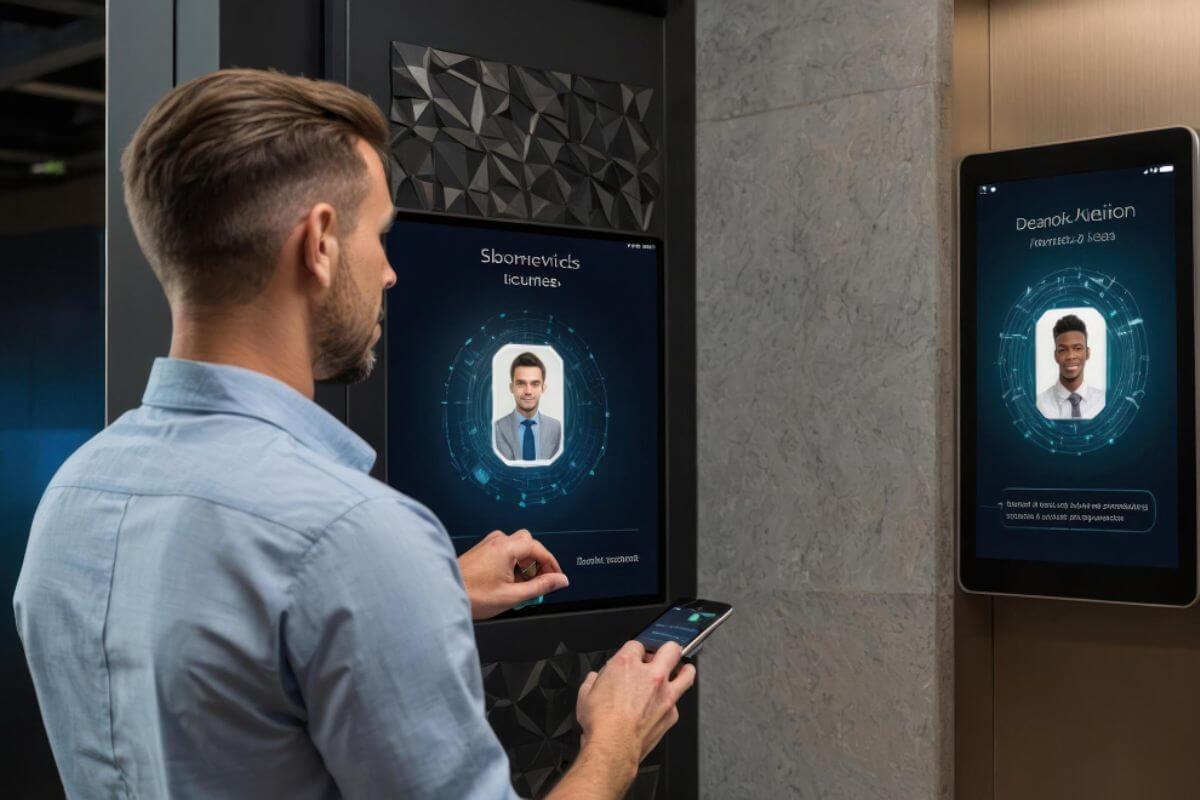
TimeCheK Time Management System is a web-based platform that automates employee attendance, converting clock-ins and clock-outs into accurate records such as work hours, overtime, and tardiness. It helps prevent payroll fraud, supports multi-site monitoring, and integrates biometric, facial recognition, and proximity card options. The system also allows customizable shifts, breaks, and attendance policies, all seamlessly connected to an employee self-service portal for real-time updates.
Key Takeaway
In the discussion of manual vs automated attendance, automated systems clearly offer greater accuracy, efficiency, and scalability. ELID’s TimeCheK Time Management System enables secure, multi-site attendance monitoring, prevents payroll discrepancies, and streamlines employee time tracking. Contact ELID to upgrade to a modern, reliable attendance solution.