



How do you use attendance data to improve workforce planning?
- Analyze seasonal absence trends
- Identify shifts and departmental hotspots
- Forecast staffing requirements with analytics
- Build demand-based flexible schedules
Overview
- Attendance data can reveal seasonal patterns, shift gaps, and departmental trends that affect workforce planning.
- Better attendance visibility can support accurate workforce forecasts, practical scheduling, and consistent operational coverage.
- ELID’s TimeCheK helps facility managers organize attendance information and use it to make more informed staffing decisions.
Productivity is only as good as the workforce supporting it. When staffing does not align with operational needs, it can affect efficiency and make daily operations harder to manage. That is why you need to plan your workforce around actual attendance patterns. But how can you use attendance data to make better scheduling decisions?
To truly make the most of workforce insights, facility managers need to know how to use attendance data to improve workforce planning. Reviewing these records can help them adjust shift schedules, and allocate personnel according to actual staffing needs.
New technologies such as time and attendance systems can further streamline how facility managers collect and analyze workforce information. With options from ELID Technology Intl. Inc., they can access reliable attendance records to support more informed staffing decisions. Continue reading to learn more.
Analyze Seasonal Absence Trends

Review attendance records across several months to identify seasonal absence trends that may affect staffing levels. For instance, higher absences during holidays or peak leave periods can indicate when additional coverage may be necessary. Comparing these trends across different periods helps facility managers anticipate recurring changes in workforce availability.
Using time and attendance technologies can help centralize attendance records and make recurring patterns easier to analyze. Facility managers can review historical attendance data to spot periods with higher absences and plan ahead for potential coverage needs.
Identify Shift and Departmental Hotspots
Compare attendance records across shifts and departments to find areas with recurring attendance gaps. A department may show higher absenteeism during specific shifts, creating coverage issues that can affect daily operations. These patterns help facility managers determine where staffing adjustments or backup personnel may be needed.
Time and attendance systems can organize attendance records by employee, shift, and department for easier comparison. This gives facility managers clearer data for identifying recurring hotspots and addressing coverage gaps before they affect operations.
Forecast Staffing Requirements With Analytics
If you need to determine staffing needs for a specific period, use historical attendance data to estimate typical workforce availability. A facility may find that attendance drops during the December holiday season or that certain shifts regularly have higher absence rates. Comparing these patterns with daily staffing requirements can help managers anticipate potential shortages.
Analytics can turn these attendance patterns into clearer staffing forecasts. For example, a warehouse may see recurring attendance gaps during peak shipping periods and prepare additional coverage before demand increases. Managers can then adjust personnel allocation or shift assignments to maintain adequate workforce coverage.
Build Demand-Based Flexible Schedules
Sometimes staffing needs change throughout the day or across different operating periods, so schedules should reflect actual workforce demand. Use attendance data to identify when stronger coverage is needed and when fewer personnel may be sufficient. For example, a facility can assign more staff during busy operating hours while maintaining leaner coverage during quieter periods.
Recurring attendance gaps can also guide adjustments to specific shifts or departments. A facility manager may schedule additional personnel for a shift that frequently has absences during high-demand days. This helps maintain coverage while reducing last-minute schedule changes.
Features to Look For in a Time and Attendance System For Workforce Planning
Now that you know how attendance data can support workforce planning, a time and attendance system can make this information easier to collect, organize, and analyze. You can select the right system by taking a closer look at the following features:
- Real-Time Attendance Tracking
- Automated Attendance Reporting
- Shift and Schedule Management
- Absence and Leave Monitoring
- Overtime Tracking
- Attendance Analytics and Trend Reports
Improve Workforce Planning with a Time and Attendance System From ELID
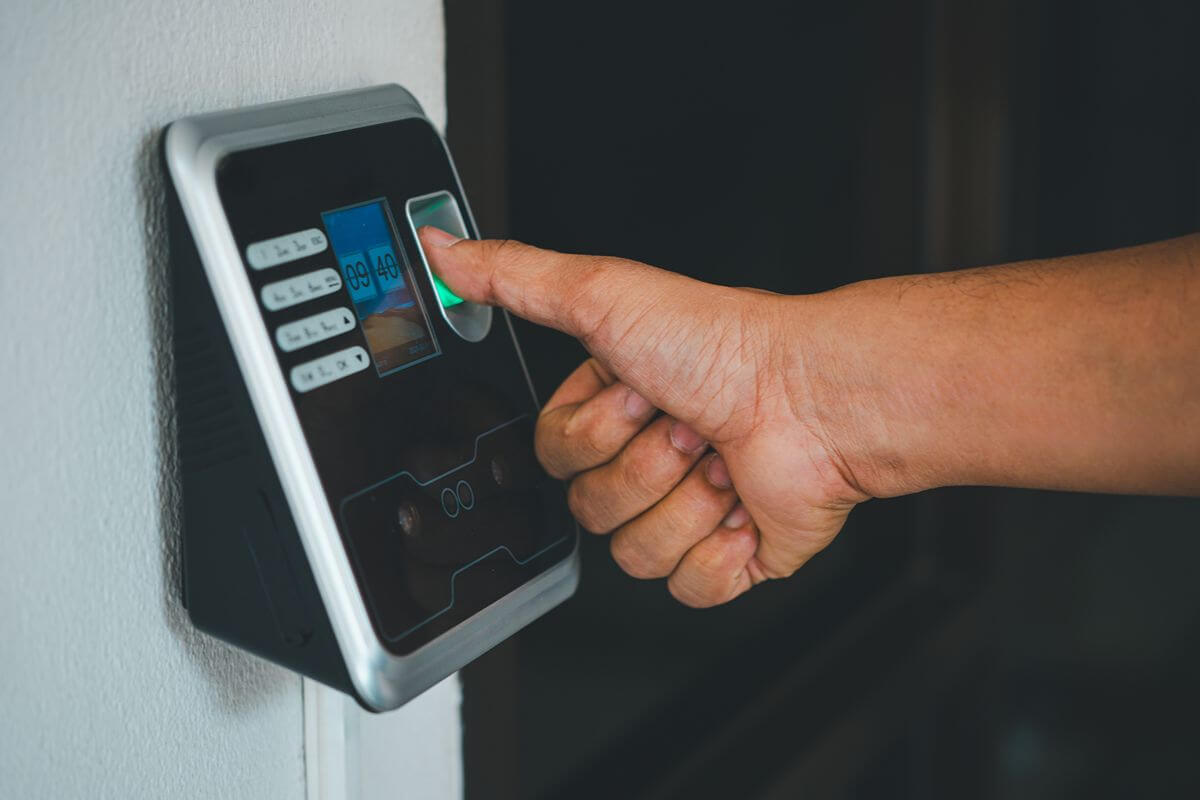
ELID’s TimeCheK Time Management System helps facility managers turn daily clock-in and clock-out records into usable attendance data for workforce planning. The web-based system captures attendance across multiple sites, supports different clocking methods, and processes records into information such as work hours, tardiness, overtime, and absences.
TimeCheK also supports configurable shift schedules and attendance policies, giving facility managers a practical way to align workforce records with daily operating requirements. With this visibility, managers can plan coverage more confidently and keep essential operations running smoothly.
Key Takeaway
Knowing how to use attendance data to improve workforce planning helps facility managers make more informed staffing decisions based on actual workforce patterns. With the right system, attendance insights can support better coverage and more responsive scheduling.
With ELID, you can find a system suited to your facility’s operational needs. Contact us today to explore a time and attendance solution that supports your workforce planning requirements.