


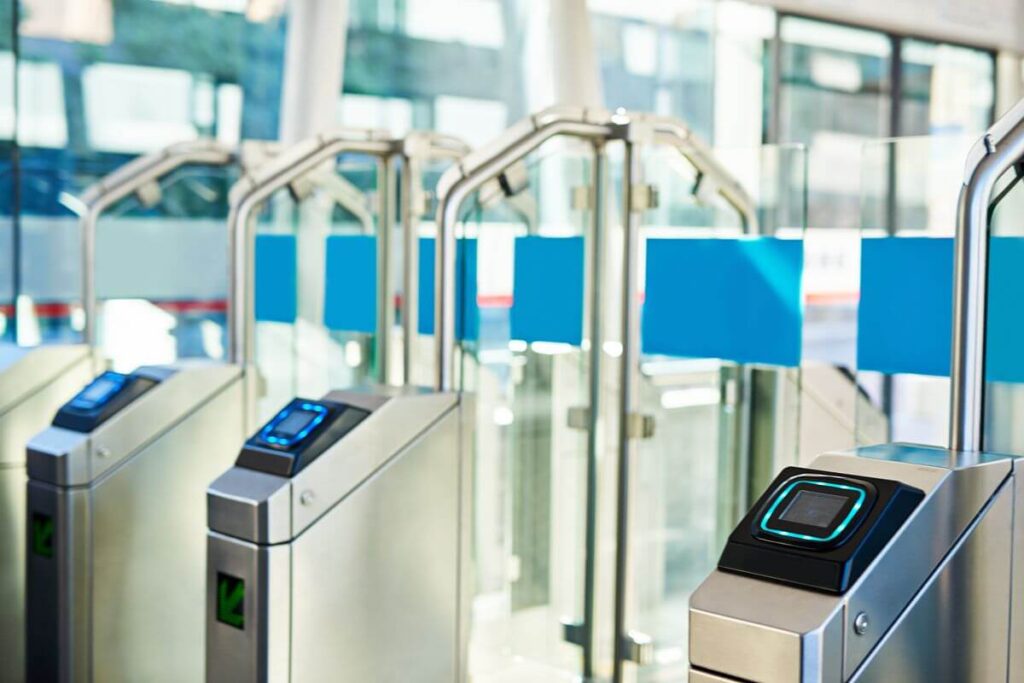
How do you choose access control systems for different types of Philippine businesses?
- Conduct a risk and site assessment
- Choose the right authentication technology
- Match systems to specific Philippine business types
- Decide on system architecture
- Source from a local supplier and integrator
Overview
- Selecting the right access control system for Philippine businesses requires assessing site risks, infrastructure, and operational needs.
- Organizations must evaluate authentication methods, user permissions, and centralized or cloud architectures.
- Partnering with an experienced local supplier ensures proper configuration, long-term support, and reliable centralized monitoring platforms like ELID Technology’s Matrix VI.
Every business has different security needs, and each requires a different solution. What works for a hotel might not work for an office building or a warehouse with tighter control needs. If facility managers fail to account for each requirement, their properties face a higher risk of unauthorized access and security breaches.
To select the right system, managers must know how to choose access control systems for different types of Philippine businesses. Security isn’t one-size-fits-all, so choosing a system that matches the property’s operations and access requirements is essential.
At ELID Technology Intl., Inc., we provide security management solutions for a range of operational environments. Let’s explore the key factors to consider when choosing a solution for your business.
Conduct a Risk and Site Assessment

First, identify the property’s security vulnerabilities and the limitations of its existing infrastructure. A hotel may need tighter controls around staff corridors and storage areas, while an office space may prioritize confidential workspaces. One might prefer privacy over complete control. These differences help determine which entrances need full protection and how to manage access throughout the property.
The building’s existing infrastructure can influence installation requirements and overall costs. Door construction, existing locking mechanisms, and network connectivity may affect which configurations best suit the building’s needs. Assessing these conditions early helps businesses address actual security gaps without investing in features they’ll rarely use.
Choose the Right Authentication Technology
Next, weigh the required level of identity verification against the convenience of daily entry and credential management. Access cards offer convenient employee entry. Biometric readers, on the other hand, provide alternative, stronger ways to verify authorization in stricter environments. Choose the best fit depending on who needs access and how sensitive the secured areas are.
Each authentication method has different security implications. You can deactivate lost access cards, but shared PINs make it harder to identify who entered a restricted area. For this reason, choose a method based on how often the area is accessed and how sensitive the assets inside are. Areas with valuable equipment or confidential records benefit from the stricter authentication processes modern systems have.
Match Systems to Specific Philippine Business Types
To match the system to these needs, map each restricted area to its authorized users and assign access rights based on their roles. Choose a system that lets administrators update permissions when employees change roles or leave the company, and check that it can handle the number of entry points on site.
The right access control system depends on the areas a business needs to secure and the people authorized to enter them. For instance, hotels need separate access permissions for guests and employees, and warehouses need to limit access to storage and loading areas. These requirements determine who receives credentials and what permissions each user should have.
Decide on System Architecture
Choose an architecture that reflects how the business manages its facilities and whether access needs to be controlled from several locations. A centralized system lets administrators manage permissions across multiple sites through one platform, which suits organizations that need consistent oversight. Separate systems may be more practical for locations that have little need for shared administration.
Cloud-based management may suit businesses that need to administer access across branches without managing separate systems at each site. On the other hand, on-premises systems may suit those who prefer to manage their security infrastructure internally. Choose the setup that fits your management needs, and confirm how access control will work if the network goes down.
Source from a Local Supplier and Integrator
Lastly, the right access control system depends on your property’s security needs and operational requirements, so choose your supplier wisely. The supplier should explain the installation process, how the system will integrate with your existing infrastructure, and what post-deployment support is available. If they cannot demonstrate relevant experience or provide clear answers, consider other options.
Even a suitable access control system can fail to meet your security needs if the supplier cannot configure it correctly. Reliable maintenance and technical support are equally important when faults affect building access. When choosing a supplier, make sure they offer ongoing technical support and clear warranty terms, so your team can manage security permissions more effectively.
Get Access Control Systems For Your Business From ELID Technology Intl., Inc.
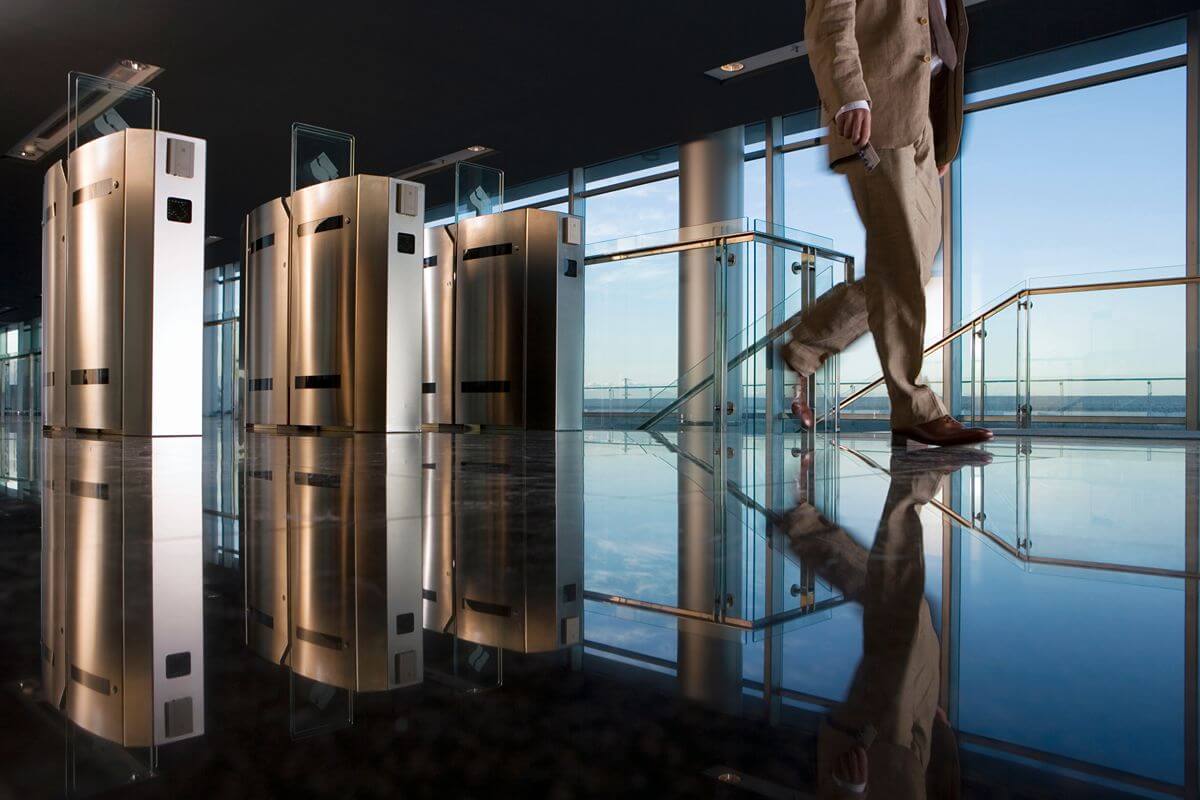
If you’re looking for an access control solution for your business, ELID Technology Intl., Inc. offers systems that help you manage entry across your facilities. Matrix VI gives your team a clearer view of access activity through live monitoring, making it easier to track events and respond to security concerns.
When security conditions change, Matrix VI allows administrators to trigger emergency lockdowns or unlock doors as needed. Its advanced access configurations help businesses enforce stricter entry rules in sensitive areas. With this system, facility managers can respond to security concerns more effectively and maintain greater control over access across their properties.
Key Takeaway
When facility managers know how to choose access control systems for different Philippine businesses, they can select solutions that fit their property’s security risks and daily operations. Proper security protects restricted areas and prevents unauthorized entry. With the right system, businesses can manage access more effectively and keep their facilities secure.
If you’re seeking a reliable access control solution for your business, ELID Technology Intl., Inc. offers the Matrix VI platform to support your security management needs. Contact us today to explore an access control solution suited to your facility.