


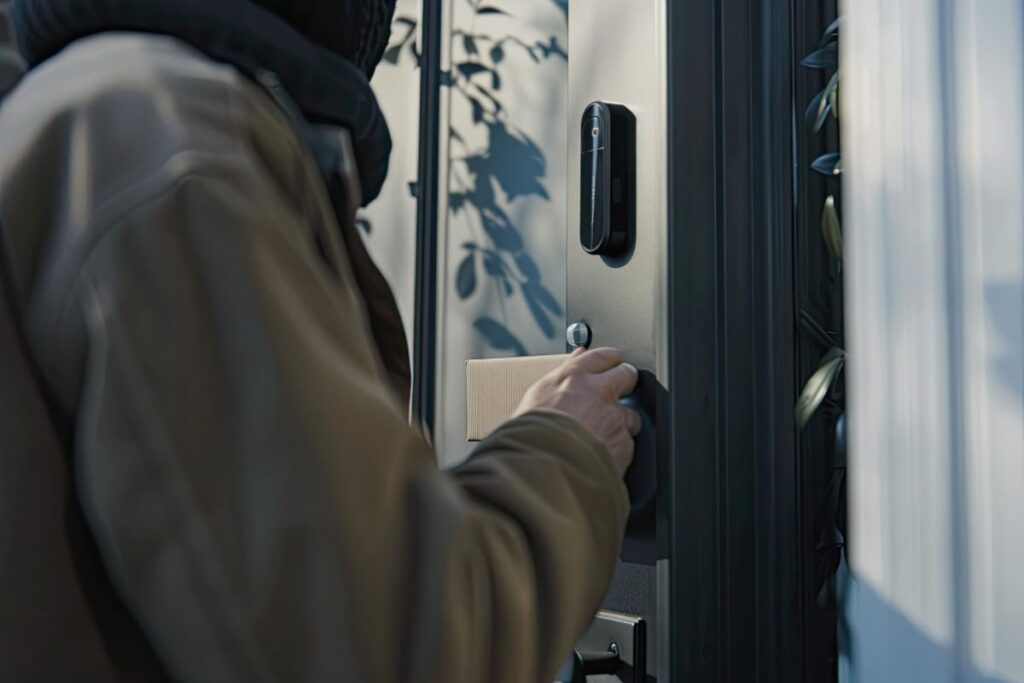
What are the common door access incidents?
- Human-behavior-related incidents
- Physical security failures
- System and technical incidents
- Administrative and management incidents
- Physical safety accidents
Overview
Access control failures can lead to safety hazards, operational disruptions, and security breaches if not addressed proactively.
Common door access incidents include human-behavior risks, hardware failures, cyber attacks, administrative oversights, and physical safety accidents.
Facility managers, IT/admin officers, and hotel operations heads must implement automated access systems with real-time monitoring, credential management, and safety-compliant features.
A single breach or technical failure can cascade into serious safety hazards, financial losses, or reputational damage when not addressed proactively. Safeguarding people, assets, and sensitive operations must go beyond simply locking doors, especially in environments where access points are constantly in use.
Recognizing the common door access incidents is crucial to preventing disruptions, unauthorized entry, and operational risks. Hotel operations heads, IT/admin officers, and facility managers must stay ahead of these threats by implementing advanced door access systems that strengthen security protocols, improve visibility, and ensure uninterrupted daily operations.
Human-Behavior Related Incidents

Daily actions of employees and visitors can intentionally or unintentionally bypass safeguards, even when security systems are installed. These incidents are among the most common causes of access control vulnerabilities and must be addressed through automated door access systems. Some common incidents are:
- Tailgating/Piggybacking: It occurs when an unauthorized person follows an authorized individual through a secured door without authentication. Piggybacking, on the other hand, happens when an authorized employee knowingly allows entry to an unauthorized person.
- Door Dropping: This often happens during deliveries or maintenance when objects like wedges, bags, or trash cans hold doors open for convenience. Such actions create prolonged vulnerabilities to unauthorized access.
- Lost or Stolen Credentials: This occurs when attackers exploit lost or stolen badges, keys, or RFID cards to impersonate legitimate users and gain unauthorized access.
- Social Engineering: This involves attackers pretending to act as credible figures to trick legitimate employees into sharing credentials or revealing security procedures.
With a comprehensive physical access control system (PACS) that provides credential management and real-time monitoring, these vulnerabilities can be mitigated. This system secures entry points and enforces automatic accountability.
Physical Security Failures
Physical components and hardware failures, even in advanced access systems, remain critical security vulnerabilities. Broken locks, doors, and barriers can invite unauthorized entry or cause accidental lockouts. Worn-out or jammed mechanisms may also slow emergency egress and disrupt daily operations.
Mechanical failures can also affect turnstiles, flap gates, and speed gates used in secured entry points. These malfunctions may enable tailgating, allow unauthorized bypassing, or accidentally deny access to authorized personnel.
Regular preventive maintenance, routine inspections, and real-time hardware monitoring help ensure continuous reliability. Automated malfunction alerts allow facility managers to respond immediately and restore proper access control without compromising security.
System And Technical Incidents
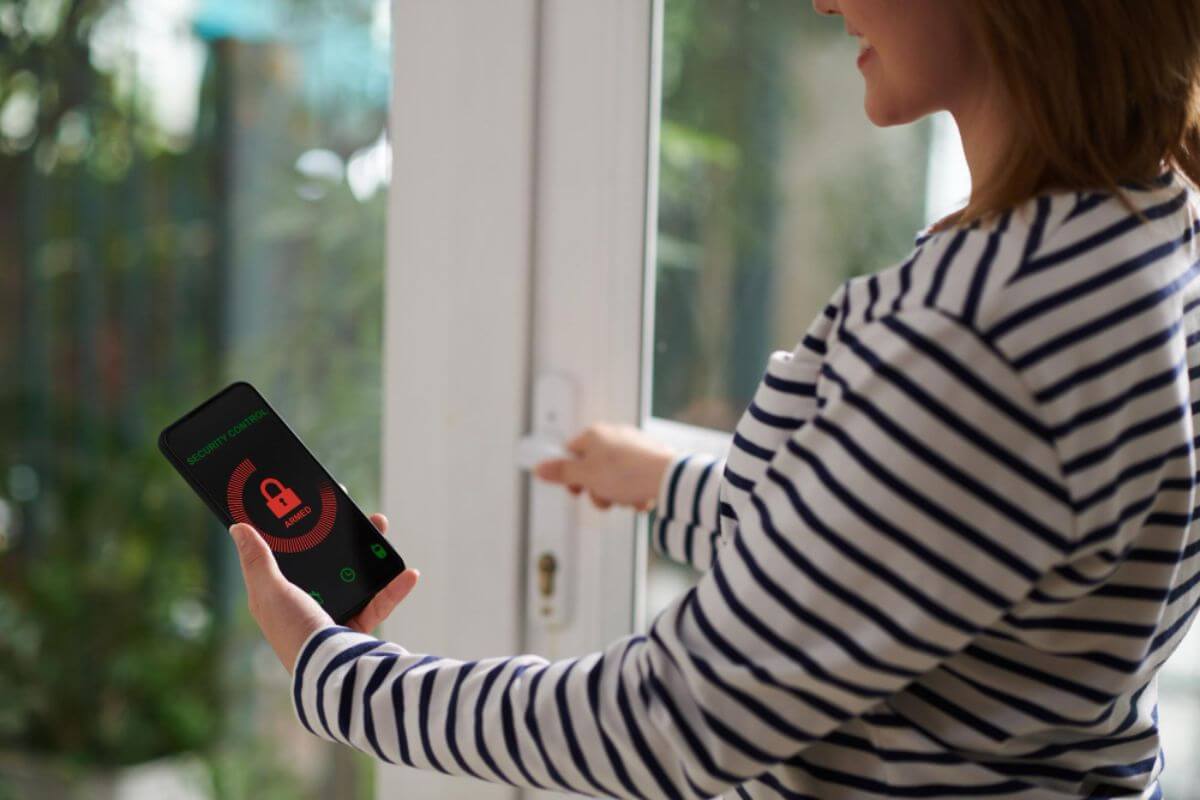
Most modern access control systems rely on interconnected software, network infrastructure, and digital authentication. When these components become affected, facilities may experience authentication failures and complete system disruptions.
Incidents like cyber and electronic attacks exploit system vulnerabilities through phishing, malware, and network intrusion. This may result in attackers being able to intercept authentication data, or worse, disable access control enforcement entirely. Even a simple digital breach can compromise sensitive infrastructure and disrupt facility operations.
System misconfigurations also pose vulnerabilities when encryption settings and software updates are managed improperly. Entry points can be exposed without immediate action through outdated firmware and default configurations.
Implementing robust cybersecurity measures like ELID’s network-connected RFID readers, biometric devices, and centralized access platforms is crucial to maintaining operational integrity. Implementing secure configurations, regularly updating systems, and using encrypted credentials can also help minimize these vulnerabilities.
Administrative And Management Incidents
Poor oversight, inconsistent policies, and delays in administrative actions may lead to overlooking security vulnerabilities. These failures reduce accountability and cause unauthorized access to persist without immediate detection.
When employees resign, change roles, or are terminated, credential deactivation is often delayed or overlooked. This allows former employees to retain valid access credentials beyond their authorized period. Continued access creates serious risks to restricted and sensitive facility areas.
Through the automated credential lifecycle, whenever employees change status, immediate deactivation happens. Additionally, centralized access control systems help maintain updated permissions along with employee roles and responsibilities. This ensures continuous and reliable protection of critical facility assets and operations.
Physical Safety Accidents
When doors are unsecured, safety sensors malfunction, or entry points remain uncontrolled, occupants become vulnerable to injuries and safety hazards. These incidents compromise both the effectiveness of the security system and the overall safety of employees and visitors.
For instance, blocked or locked emergency exits can prevent evacuation during fires or critical emergencies, which can result in loss of lives. Faulty automatic doors, barriers, or access-controlled gates may also cause physical injuries due to sudden closure.
Integrating safety-compliant access control systems ensures doors operate safely while maintaining security enforcement. Features such as emergency override functions, safety sensors, and fail-safe mechanisms protect occupants during emergencies.
Key Takeaway
Preventing common door access incidents is essential to safeguard your facility, staff, and operations.
With ELID’s advanced door access systems, facility managers, IT/admin officers, and hotel operations heads can secure entry points, automate credential management, and maintain real-time monitoring for uninterrupted operations.
Protect your assets and people today with us to implement a reliable, safety-compliant access control solution.