


What should businesses consider before implementing biometric systems?
- Selection of biometric modality
- Legal and regulatory compliance
- Data security and storage
- Cost and scalability
- Employee trust and governance
Overview
- Selecting a biometric modality that fits the workplace helps businesses consider environmental conditions and identification requirements.
- Legal compliance and secure data handling help protect biometric information and maintain responsible access management.
- Evaluating long-term costs, system compatibility, and employee trust helps businesses prepare for successful implementation.
- ELID Technology Intl., Inc.’s Matrix VI provides integrated access control and security management capabilities to support facility operations.
Biometric systems use personal characteristics to verify identity, making their implementation not just a workplace security issue, but also a data responsibility. Unlike ordinary access credentials, biometric information is closely tied to the individual, raising important questions about how to protect and use it. Businesses must account for these responsibilities before introducing the technology into operations.
At ELID Technology Intl., Inc., we provide security solutions that help businesses manage facility access more precisely. Our understanding of biometric control systems ensures accountability and close alignment with security standards. Read on to learn what businesses should consider when implementing biometric systems in the Philippines.
Selection of Biometric Modality
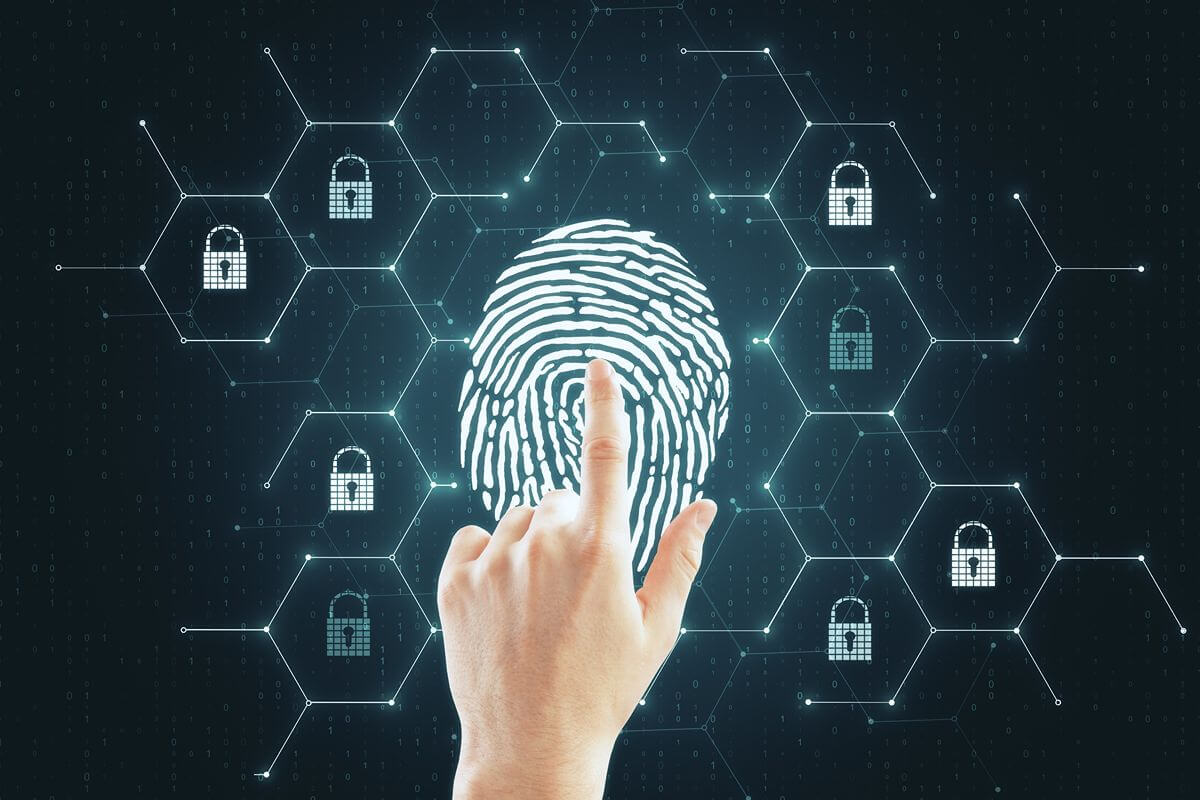
A biometric modality’s suitability depends on its purpose. Fingerprint recognition may suit controlled entry points where strict access authorization is necessary, but it may not suit high-traffic environments. Facial recognition may suit high-traffic environments better, such as construction sites or public transit hubs.
These differences also affect how the system functions. One-to-one verification checks a person’s biometric data against a claimed identity. In contrast, one-to-many identification searches a database to determine which individual is trying to access a restricted area. These differences affect how the system handles access requests and how readers must be positioned for practical use.
Legal and Regulatory Compliance
Collecting biometric information creates specific privacy responsibilities because it links directly to an individual’s identity. Applicable laws, such as the Philippines’ Data Privacy Act of 2012, set strict requirements for handling personal information and additional safeguards for sensitive personal data. Implementing systems without a valid legal basis can expose businesses to regulatory and reputational risks.
A legitimate business purpose helps establish why biometric collection is necessary for the intended application. Employees and visitors need clear information about what data the system collects, how long it retains it, and when it will be deleted. Transparent communication sets clear expectations and shows the organization treats biometric information responsibly.
Data Security and Storage
The way information is stored affects the consequences of potential security breaches. Storing protected biometric templates instead of raw images can reduce exposure of the original biometric data, although templates still require strong safeguards. Encryption for stored and transmitted information further limits the risk of unauthorized access, and internal access restrictions prevent unnecessary handling by employees.
When a business uses a hosted or managed service, external providers must take responsibility for protecting biometric information. The provider’s security practices can affect how the organization handles and accesses its data. Clear contractual terms, including a data processing agreement, help define the provider’s responsibilities and the security measures expected throughout your partnership.
Cost and Scalability
Note: The initial purchase price represents only part of the financial commitment to implement a biometric system. Installation, software updates, and ongoing technical support add to the total cost of ownership over time. These recurring expenses may affect the system’s long-term value, especially when organizations operate across multiple shifts or facilities.
A system’s ability to accommodate organizational growth may affect the value of the initial investment. Adding employees or connecting biometric access with attendance and human resources platforms can introduce new technical requirements. Compatibility with existing infrastructure can reduce integration difficulties and help businesses expand their systems without interrupting established workflows.
Employee Trust and Governance
Employee confidence can affect how smoothly a biometric system integrates into daily workplace operations. Privacy concerns or the use of personal data may lead to resistance if employees don’t understand the system’s purpose. To address this, companies must provide clear explanations and appropriate training so employees understand the safeguards governing its use.
Long-term accountability depends on having clear responsibility for the system after implementation. Designated personnel should oversee operations and monitor compliance as needs change. Accessible channels for questions and complaints also let employees report technical problems or raise data concerns, helping the organization respond before issues undermine confidence in the system.
Implement Quality Biometric Systems with ELID Technology Intl., Inc.
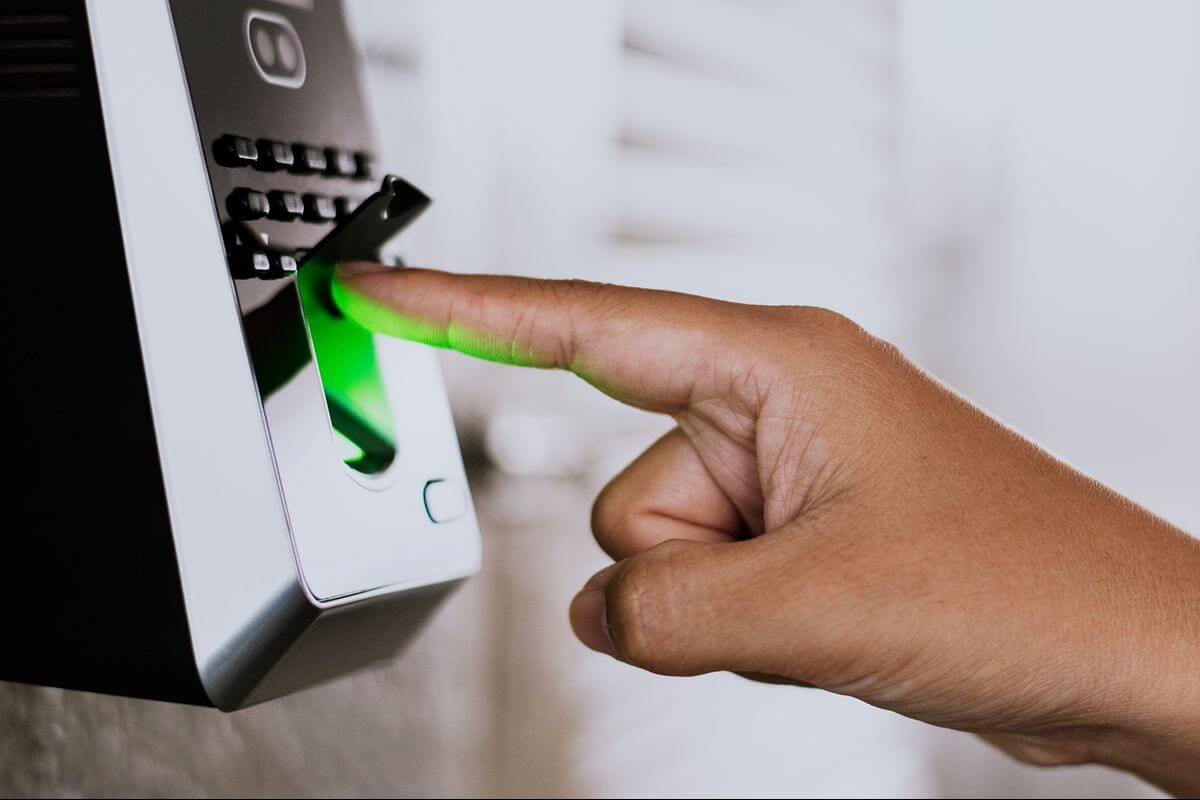
Choosing a biometric system involves finding a solution that fits your facility’s security requirements and operational processes. ELID Technology Intl., Inc.’s Matrix VI offers an integrated platform for access control and security management, helping businesses coordinate facility access and monitor security activity.
For organizations evaluating implementation needs, Matrix VI also supports lift management and time attendance in the same platform. This integration helps businesses assess how access control fits into broader facility operations and identify opportunities to streamline security management as needs evolve.
Key Takeaway
Implementing biometric systems requires businesses to consider how the technology fits their workplace, protects personal data, and supports long-term operational needs. By carefully evaluating these factors, decision-makers can choose solutions that align with their security requirements and organizational priorities.
Understanding what businesses should consider when implementing biometric systems in the Philippines can help facility managers make more informed implementation decisions. With ELID Technology Intl., Inc.’s Matrix VI, businesses can explore integrated access control solutions that support their facility security needs. Contact us today to find the right solution for your facility.