


How do access control systems improve security in Philippine commercial buildings?
- Restricting unauthorized entry
- Real-time monitoring and alerts
- Digital audit trails and accountability
- Elimination of lost key risks
- Integration with other security systems
Overview
- Traditional locks create security gaps through misplaced keys and unmanageable access rights.
- Modern access control systems improve security in Philippine commercial buildings by restricting unauthorized entry, enabling real-time monitoring, creating digital audit trails, and integrating with CCTV.
- Intelligent platforms like ELID Technology’s Matrix VI offer centralized, scalable management to protect commercial properties effectively.
Burglaries. Unauthorized access. Traditional locks have long provided basic protection from common threats. However, their effectiveness depends heavily on who holds the keys. This can leave security gaps when physical keys are misplaced or fall into the wrong hands. To reduce these risks, facilities should replace outdated systems with more reliable modern access control systems.
Understanding how access control systems improve security in Philippine commercial buildings starts with seeing how they turn entry rules into enforceable controls. Administrators can assign permissions based on job responsibilities and revoke credentials when access is no longer needed.
Let’s look at the key details that make these systems a strong fit for commercial properties.
Restricting Unauthorized Entry
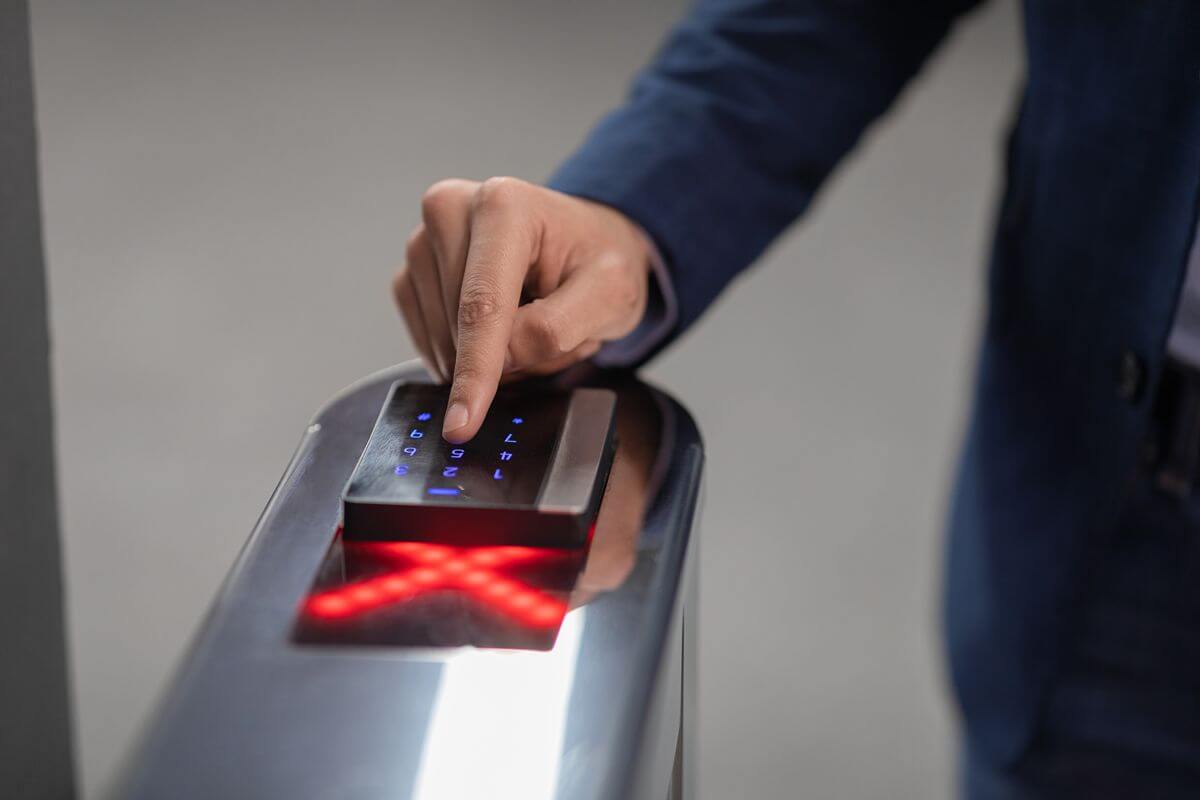
Electronic access control limits unauthorized entry to sensitive areas by granting permissions only to authorized users. In office buildings and hotels, this helps protect spaces such as server rooms, management offices, and utility rooms without restricting access to areas employees need for their work. Facility managers can configure each person’s credentials according to their responsibilities, giving them greater control over movement within the property.
For example, a hotel may allow housekeeping staff to enter linen storage areas while keeping administrative offices accessible only to designated personnel. This approach creates clearer boundaries between public and restricted spaces than relying on a general building key. When an employee’s responsibilities change, administrators can update their access permissions to reflect the new role.
Real-Time Monitoring and Alerts
Real-time monitoring helps security teams identify suspicious access activity while they still have a chance to investigate. Depending on the system’s capabilities, administrators can configure alerts for events such as denied entry attempts or access requests outside permitted hours. These notifications give personnel a more immediate indication that an access event may need attention.
Consider an office building where someone attempts to enter a restricted equipment room after business hours. An access control system configured to flag this activity can notify security personnel, who can then review the event and determine whether further action is necessary. Although alerts do not automatically confirm a security breach, they help teams investigate potential problems sooner.
Digital Audit Trails and Accountability
Digital audit trails help facility managers investigate security incidents by recording activity at controlled access points. Depending on the system, these records can identify the credential used, the access point involved, and the time of the attempt. This information gives security personnel a clearer timeline when reviewing an incident.
If equipment goes missing from a restricted office, management can examine access records to establish which credentials were used during the relevant period. Security personnel can compare these records with CCTV footage and other evidence to investigate the circumstances. Since a recorded credential does not necessarily identify the person who used it, audit trails work best as part of a broader security review.
Elimination of Lost Key Risks
Losing physical keys often forces expensive lock replacements. Electronic access control solves this by letting administrators remotely deactivate lost credentials, instantly restoring facility security without replacing hardware.
In a hotel, a misplaced staff access card can raise concerns about entry to areas beyond the employee’s immediate duties. An administrator can disable the card and issue a replacement, preventing the missing credential from being used again. Regularly review and update access permissions to keep entry rights aligned with current staffing needs.
Integration with Other Security Systems
Integrating access control with CCTV and intrusion alarms provides comprehensive security oversight. Security teams can instantly cross-reference access events with camera footage and alarm triggers to assess incidents with complete context.
For example, an access attempt at a restricted entrance may appear in the access control records while CCTV captures activity near the door. When the systems are connected, security personnel can review the relevant information together to determine whether the event needs further investigation. This coordinated view can make security reviews more useful than examining each system’s records separately.
Achieve Strong Security with Access Control Systems From ELID Technology Intl., Inc.
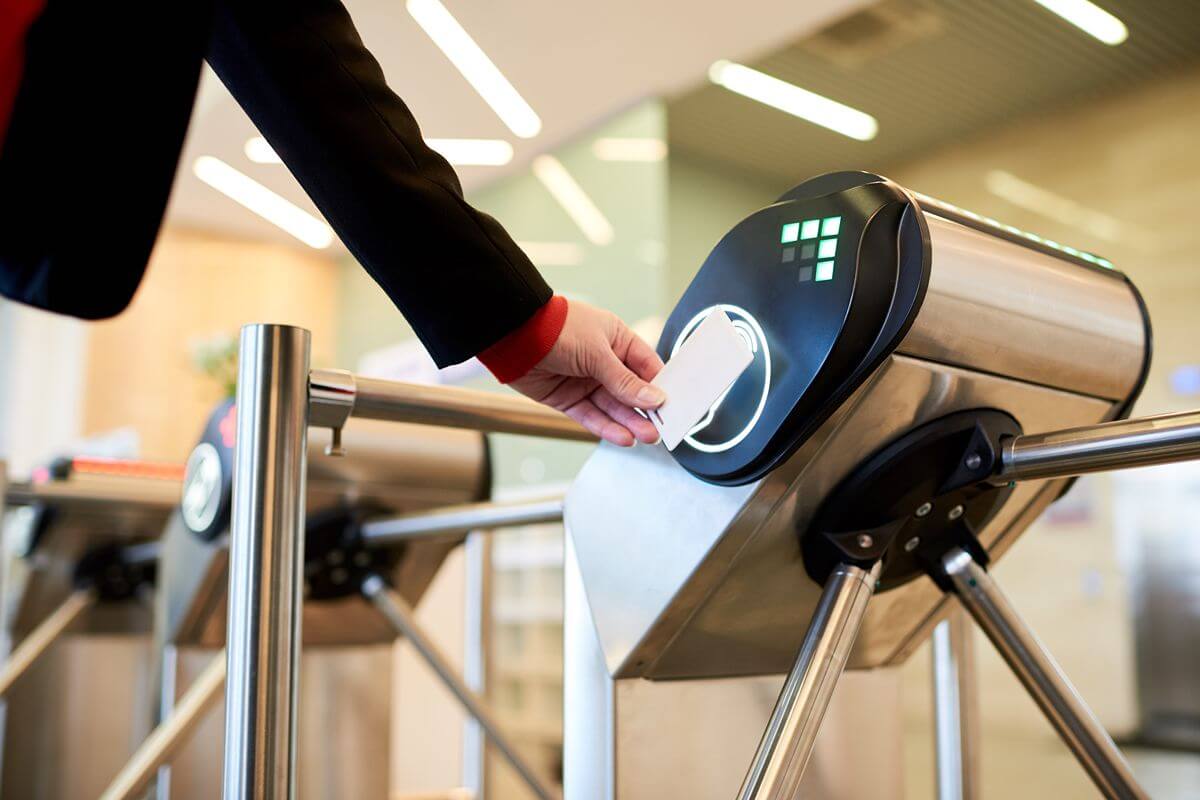
Adaptable access controls are essential as building security needs evolve. ELID Technology Intl., Inc. provides Matrix VI, an intelligent security management platform with flexible scalability, an intuitive interface, and broad compatibility with native and third-party controllers to streamline facility management.
Matrix VI gives security teams access to live event monitoring and filterable reports organized by door, reader, or department, making it easier to review activity across a property. Alongside emergency lockdown and unlock functions, it provides additional controls for facilities with stricter entry requirements. These capabilities give buildings more options to manage access and maintain oversight across operations.
Key Takeaway
Traditional locks can leave gaps in building security when access permissions are difficult to manage or lost keys compromise restricted areas. When facility officers know how access control systems improve security in Philippine commercial buildings, they can better protect their properties with more advanced restrictions.
Choosing a solution suited to your property’s needs can help strengthen security as operations evolve. ELID Technology Intl., Inc. offers Matrix VI, a security management platform that helps organizations manage access and monitor activity from a centralized system. Contact us today to get started on strengthening your building’s security.